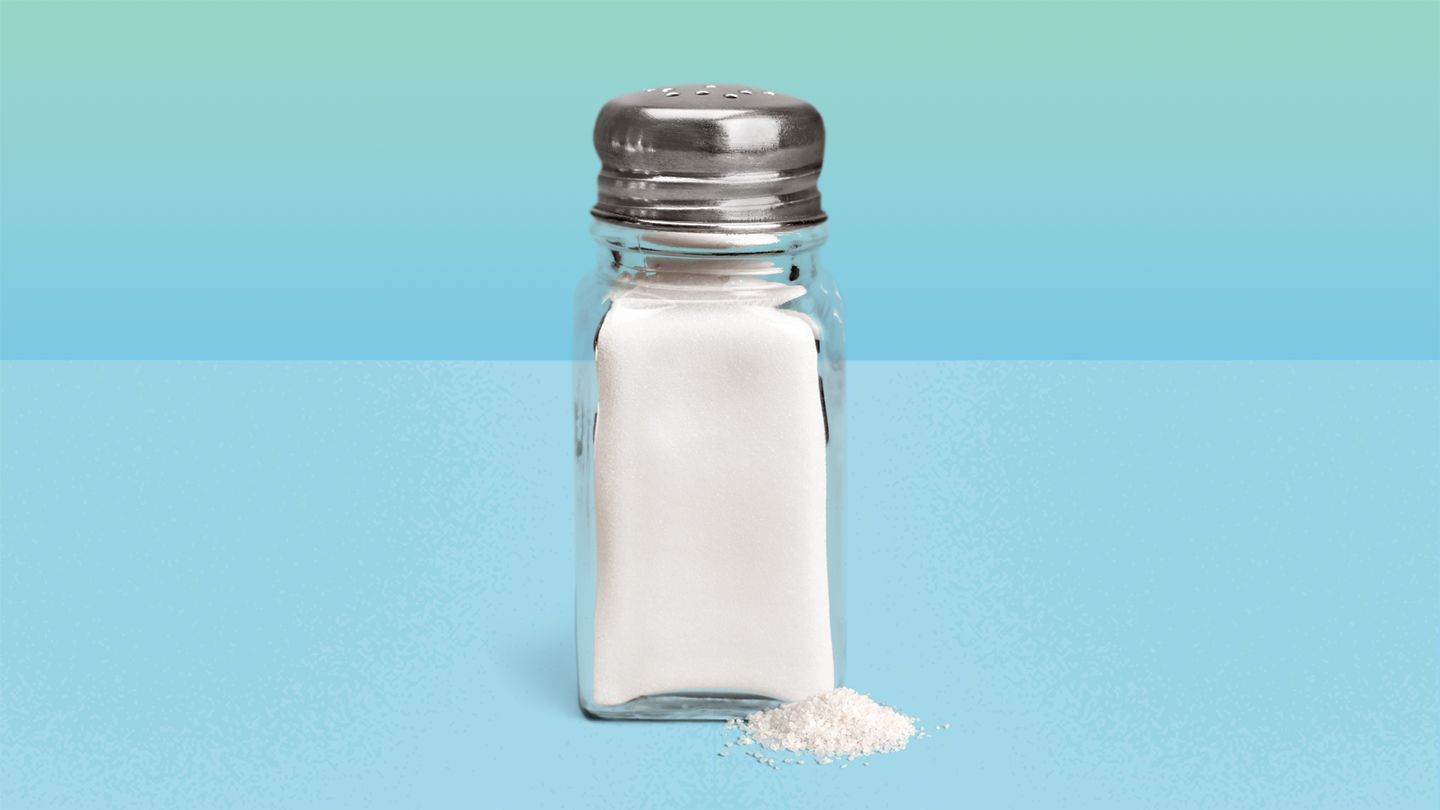
The primary source of sodium in your diet isn’t your salt shaker, but rather dining out and eating packaged foods.
“The best advice is to eat more at home,” says Zanini. “Preparing meals at home and limiting the amount of times you dine out every week will drastically cut back your sodium intake. I like to say, ‘If it comes in a bag, box, or through a window, there’s a good chance there’s going to be a significant amount of salt added to that food.’”
Some sources of sodium can be sneakier than others, requiring careful reading of nutrition panels when grocery shopping.
1. Marinara Sauce
A half-cup serving can contain more than 500 mg of sodium, and you may pour on far more than that. Zanini recommends making your own at home by cooking fresh tomatoes into a sauce. You can even eliminate the salt or use less than the recipe suggests.
2. Packaged Oatmeal
3. Certain Condiments
While they add a punch of flavor to cookout favorites, condiments like ketchup and mustard may actually be salt bombs.
You don’t necessarily need to go through the trouble of making them at home, but Zanini suggests comparing nutrition labels of various brands to find one that contains less than 100 mg of sodium per 1 teaspoon serving. “Anything more can add up quickly,” she says.
4. Bread Products
Bread is one of the top sources of sodium in the typical American diet. It’s also another instance where comparing nutrition labels of different brands can make a significant difference. When shopping for bread, opt for loaves that contain less than 200 mg of sodium per slice, says Zanini.
You can also consider eating open-faced sandwiches to eliminate a slice or replacing the bread altogether with an alternative like lettuce wraps or even sweet potato toast.
5. Enhanced Chicken
This is another case where you want to read the nutrition label. If the ingredients include something like “chicken broth and sea salt,” that’s a red flag.
6. Certain Cheeses
Read the full article here