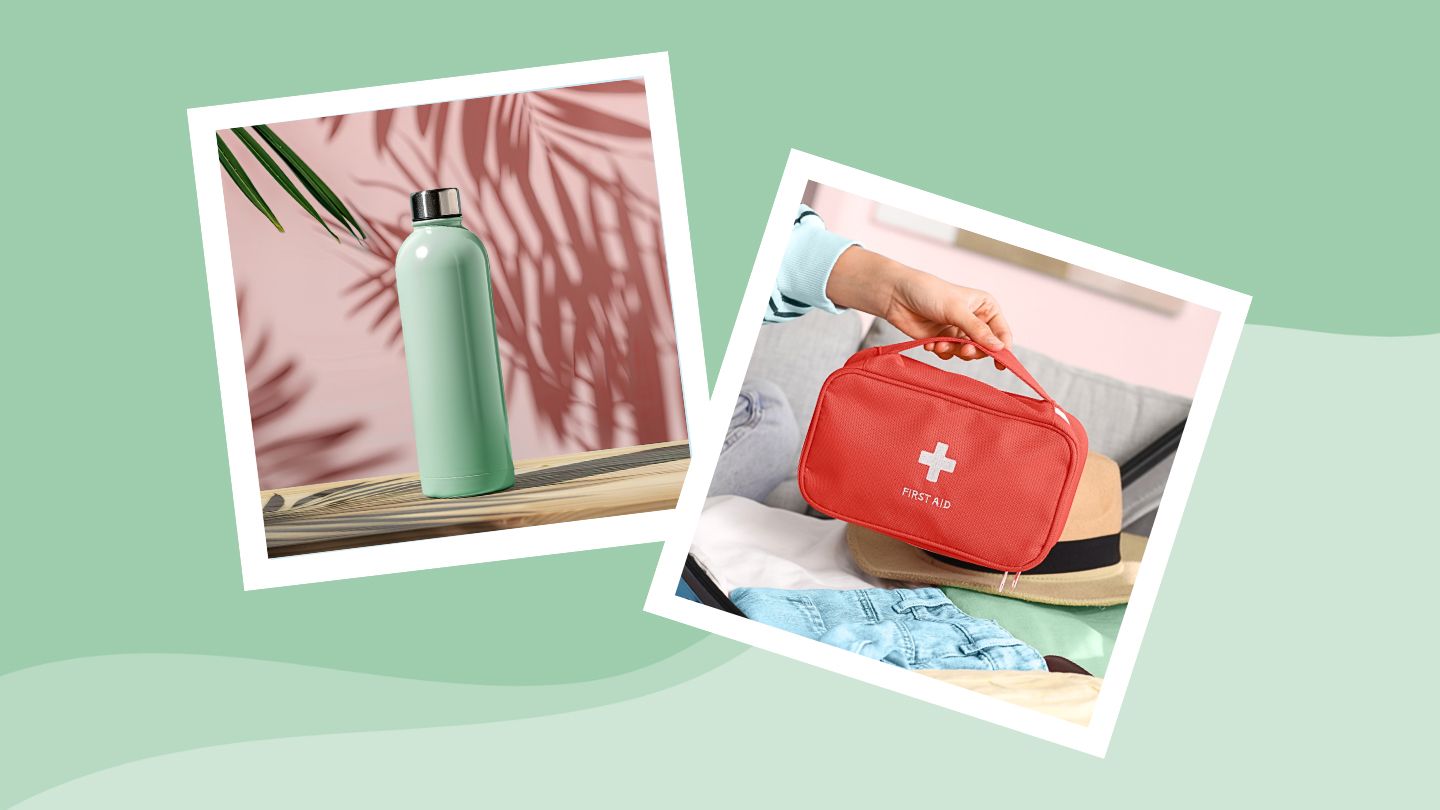
4. Keep Medications Safe on the Road
For some people, it wouldn’t be summer without hitting the road on a trip. If you have rheumatoid arthritis, packing your medications may require some extra attention.
“Talk with your pharmacist about which medications need refrigeration,” says Bayard. “A lot of the injectables can be out of the refrigerator, but then they have to be used within a certain time period.”
For medications that require constant refrigeration, Chawla recommends using a dedicated travel cooler — separate from any larger cooler with food items — to ensure a consistent temperature. “Once you arrive at your destination, immediately transfer any temperature-sensitive medications to a refrigerator,” he says.
Both Bayard and Chawla recommend packing more of your medication than you think you’ll need for your trip, in case of any unexpected events or delays.
If you’re traveling by plane, Bayard and Chawla say you should:
- Pack all medications in your carry-on bag or a separate cooler.
- Keep all medications in their original labeled containers.
- Carry a note from your doctor explaining your health conditions and medications, including refrigeration needs.
Don’t pack your medication in a checked bag — your bag could get lost, and luggage in airplanes can undergo wide variations in temperature.
Some general suggestions for traveling include:
- Pack lightly. Don’t take heavy or bulky bags or backpacks that could put strain on your joints.
- Don’t overschedule. You may need time to rest or catch up on sleep, since rheumatoid arthritis can cause fatigue.
- Keep moving on travel days. Make frequent stops or get up from your seat to move your body and stretch.
- Pay attention to your diet “With travel, people tend to let loose on their diet. Be really conscious of salt and alcohol intake, especially in the heat — it just dehydrates you so quickly,” says Bayard.
Read the full article here