4. Pick Lean Animal and Plant Proteins
Certain proteins can be a valuable source of essential fatty acids. Cold-water fish such as salmon, tuna, and sardines are among the richest food sources of omega-3 fatty acids. For instance, 3 ounces (oz) of cooked Atlantic salmon can provide more than the recommended daily minimum of omega-3s for adults.
Plant-based proteins are another helpful source of nutrients that can promote and maintain skin health, according to research. One review of dermatology research notes that plant-based diets are connected with better skin health. The review authors recommend almonds as a good source of omega-3 fatty acids for skin health. Additional plant-based proteins to add to your plate include chia seeds, walnuts, edamame, refried beans, and kidney beans.
Filling your plate with lean proteins that are also rich in the omega-3s docosahexaenoic acid and eicosapentaenoic acid can improve skin inflammation and dryness, and may be especially helpful for those with psoriasis, atopic dermatitis, and erythema (redness caused by infection or medications), according to the dermatology review.
5. Add Zinc-Rich Foods
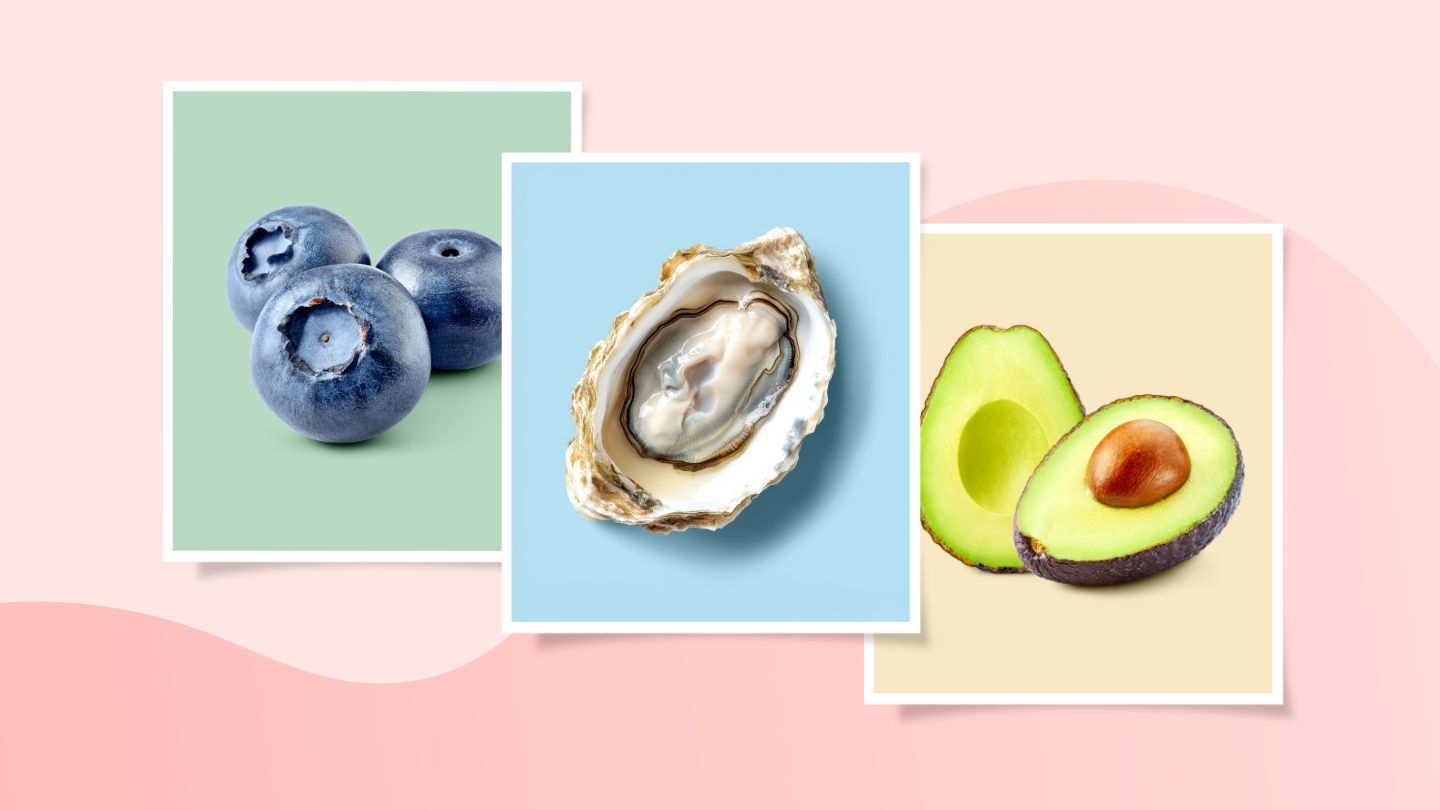
Because of their zinc content, oysters are a good food for healthy skin, says Murad. “Zinc is not only an essential component for collagen production and healing, it’s a powerful anti-inflammatory,” he says. Zinc may also reduce acne, redness, and irritation; promote healing; and deflect UV rays, according to landmark research.
Inflammation is how the body communicates to our immune system to jump into action if we’re injured, but it can also cause flare-ups in our skin that come in the form of swelling, pain, and redness. Zeichner says that foods rich in vitamin A and zinc — like fortified cereal, beans, spinach, and oysters — can help reduce inflammation, making them among the best foods for healthy skin.
6. Drink (Water, That Is) to Your Skin’s Health
Yes, water is good for your skin, but you don’t have to go overboard. The goal is to avoid dehydration. (Hint: If you’re thirsty, you’re already dehydrated.) “If you’re dehydrated, your skin and mucous membranes will become dry, cracked, and crepey,” Dr. Wu says.
How much water you need varies based on your age, gender, and other factors such as pregnancy, but the general guidelines for healthy adults are to aim for between 92 and 124 oz daily.
Make sure that you consume enough caffeine-free fluids, such as soups, juices, and herbal teas, to avoid dehydration. If you’re not a regular water drinker, aim to sip one glass of water (or other caffeine-free liquid) with each meal and another glass between meals. Research has shown that unsweetened green tea in particular is beneficial because it contains antioxidants that fight free radicals, which are likely a major cause of aging and cancer.
7. Limit Processed Sugar, Carbs, and Alcohol
When thinking about the best foods and diets for healthy skin, keep in mind that some options don’t play well with skin care. Your sweet tooth in particular can really sour your complexion. Sugar and refined carbohydrates such as sodas, white bread, and pastries can contribute to premature wrinkles and aging skin, according to a study.
“Consuming large amounts of sugar and refined carbohydrates can directly harm skin elasticity because these foods trigger inflammation and contribute to the breakdown of collagen and elastic fibers,” Murad says.
Once sugars and carbs enter the body, they’re converted into glucose, creating advanced glycation end products that attach to healthy proteins and interfere with the production of collagen and elastin — thus leading to skin that’s less firm and resilient.
Alcohol can have a similar effect. According to research, alcohol can overwhelm your body’s antioxidant defense system, causing redness, wrinkles, and dry skin. It can also alter the environment of your skin’s surface, which can increase inflammation and worsen skin infections.
Zeichner recommends avoiding processed sugars and flour as much as possible, instead choosing natural grains and eating foods sweetened with honey or other natural sweeteners. Experts also agree that in general it’s best to drink little or no alcohol.