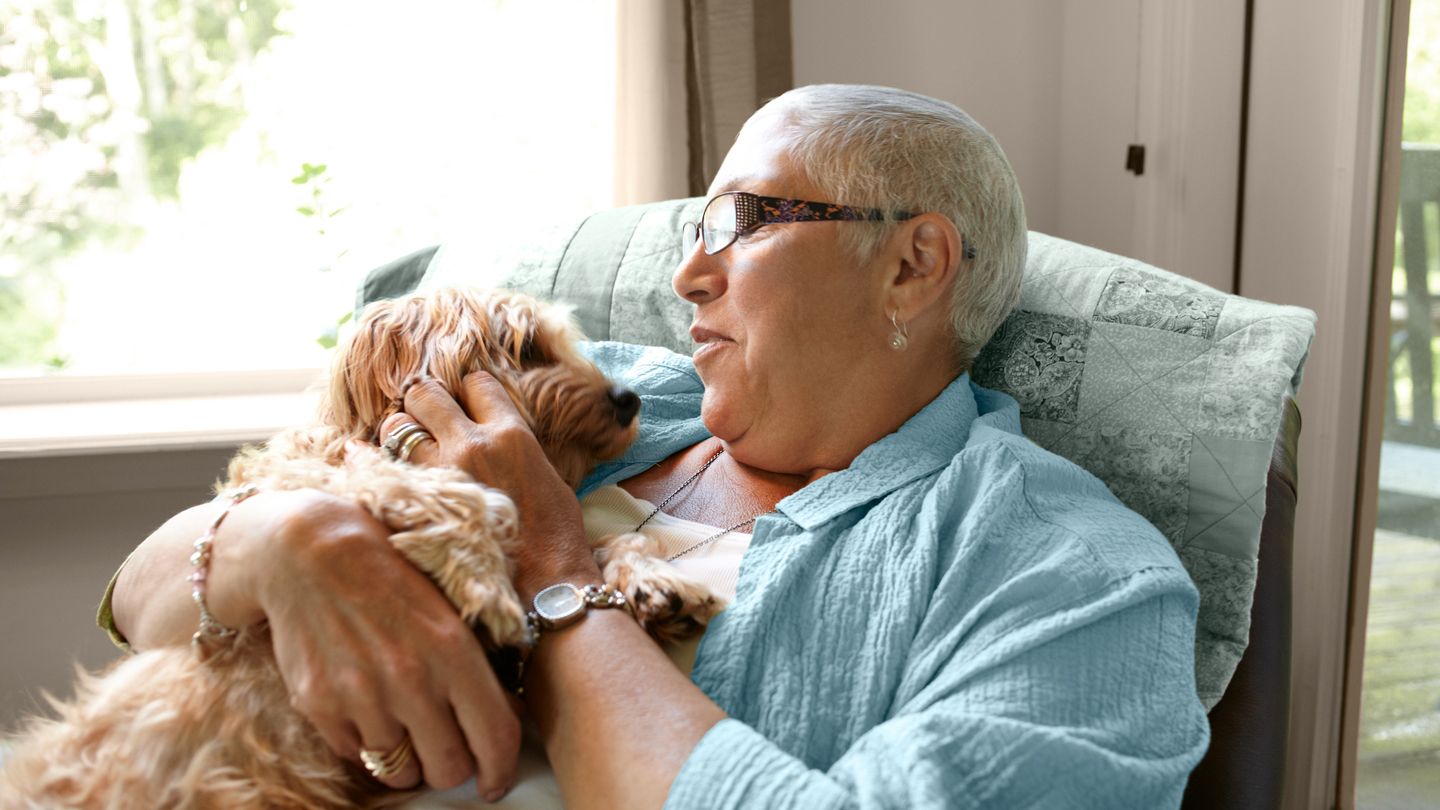
If you’ve ever had a cat curl up in your lap or a dog greet you when you come home, you know how much joy and companionship these furry friends can bring to your life. But pets offer more than just comfort for people with mild cognitive impairment (MCI): They can also help your cognitive health and overall well-being.
“Pets can support daily functioning, emotional well-being, and social connection for people with MCI,” says Jennifer Applebaum, PhD, an assistant professor in the department of environmental and global health at the University of Florida in Gainesville.
Here’s a closer look at some of the meaningful ways a pet can affect your life with mild cognitive impairment.
1. Supports Cognitive Health
One study conducted by Dr. Applebaum and her colleagues found that adults ages 65 and older who owned pets for at least five years performed better on cognitive tests, especially for verbal memory, than people without pets.
Why might this be?
“Pet ownership is associated with better cognitive health through mechanisms such as stress reduction, physical activity, and routine,” says Applebaum.
Both Applebaum and Gee note that more research is needed, though, to understand whether pets directly improve cognitive health or if people with stronger cognitive function are simply more likely to own pets.
2. Creates Routine and Structure
Pets thrive on routine, whether it’s a cat expecting to be fed at the same time each morning or a dog knowing when it’s time for their afternoon walk.
That same sense of predictability and stability can also benefit people with mild cognitive impairment. A consistent daily routine can help reduce stress and make daily tasks feel more manageable, which promotes independence.
“Consistency is absolutely important for brain health,” says Gee. “Having a routine that includes regular sleep, exercise, and mental stimulation is really good for cognition. And pet ownership fits right into that.”
Caring for a pet can also help you stay on track by linking daily tasks together, says Applebaum. Pairing things such as medication or personal care with pet-related tasks, such as feeding or walking, can make routines easier to remember.
3. Encourages Physical Activity
Regular exercise offers important benefits for people with mild cognitive impairment. It can support brain function, reduce inflammation in the brain, slow cognitive decline, and improve overall mental and emotional health.
People with pets — especially dogs — are more likely to stay active. One study found dog owners were four times more likely to get the recommended 150 minutes of exercise a week than those without dogs.
It’s not just long walks or strenuous hikes that count. It’s all about moving more and sitting less.
“You have to get up to take the dog out. You have to feed and groom the dog,” says Gee. Taking care of a pet adds physical activity to your day, which supports body and brain health.
These activities also engage cognitive skills such as memory and attention. For example, when taking your dog for a walk, “You have to remember where you put the leash,” says Gee. “You have to remember and be able to navigate your environment.” All of this helps keep your mind active.
4. Eases Stress
Chronic stress can take a toll on cognitive health and increase the risk of dementia.
Although you can’t avoid stress completely, spending quality time with your cat or dog may be one way to manage it. “Just petting an animal can lower blood pressure, reduce the stress hormone cortisol, and increase oxytocin,” says Gee. This can help ease stress, depression, and anxiety.
“MCI can make it difficult to regulate emotions, so pets may be especially helpful,” says Applebaum.
5. Prevents Loneliness and Increases Social Interaction
Staying socially connected with family, friends, and neighbors can help prevent feelings of isolation and loneliness and support emotional well-being. It may also help slow cognitive decline.
“Pets, especially dogs, can also create opportunities for social interaction,” says Applebaum. Just taking your dog for regular walks around the block can help you meet new people, build friendships, and find support in your community.
6. Lowers Blood Pressure
That matters for both your heart and your brain. Research shows lowering blood pressure can reduce the risk of cognitive impairment.
If you’re living with mild cognitive impairment, keeping blood pressure in check is especially beneficial. Changes in the brain’s blood vessels are common in MCI, and high blood pressure can worsen this damage, potentially contributing to memory loss and cognitive decline.
7. Fosters a Sense of Purpose
Having a sense of purpose — feeling your life has value and direction — is linked to a lower risk of cognitive impairment, even among people with a genetic risk of dementia.
For some people, caring for a pet can provide that sense of purpose. Being responsible for another living being adds meaning to your daily routine and can motivate you to stay engaged. “Knowing you need to be there to care for that animal gives you a raison d’être — a reason for living,” says Gee. “And what’s more important than that?”
Special Considerations for Pet Owners With MCI
While pets offer many benefits, they can also present some challenges for people with mild cognitive impairment, especially if you don’t have a strong support system in place.
“Pet ownership can become hard when the bond is strong but the support isn’t there,” says Applebaum. “Factors like housing restrictions, health issues, or lack of backup care often play a bigger role in whether pet care turns into stress.”
Here are some key factors to consider if you have a pet or are thinking about getting one.
- Assess your abilities. Think about your physical health, mobility level, living situation, budget, and support system. You’ll not only need to recognize your pet’s needs, but also have the resources to meet them consistently, including daily walks, food, toys, and veterinary visits, says Gee.
- Consider a lower-maintenance pet. “Dogs may promote physical activity and social interaction, but they often require more time, energy, and resources,” says Applebaum. A cat or other lower-maintenance pet, such as fish, a hamster, or a turtle, may be a more realistic option if you have mobility limitations, housing restrictions, or financial constraints, she adds.
- Set reminders. Alarms, calendars, and tracking apps can help you remember daily tasks, such as feeding and walking your pet, as well as ongoing care, such as vet and grooming appointments. “Mark in your calendar when your pet’s last visit was, and then put the next visit on the calendar at the same time,” says Gee.
- Build a support system. Sharing pet care responsibilities with family, friends, or a pet sitter can make care feel more manageable and less stressful, says Applebaum. Having backup care in place is especially important in case of illness or an emergency.
- Appoint a backup advocate for your pet. Enlist a trusted family member, friend, pet sitter, or veterinarian to check in regularly and step in if needed. “It’s good to have an unbiased third party who can make sure your pet is being well cared for,” says Gee.
If you need additional help with costs, supplies, or other pet care support, plenty of programs and services can help:
- Pets for the Elderly covers fees for adopting a cat or dog from participating shelters.
- Some shelters offer programs that match older adults with senior animals who fit their lifestyle, such as the Seniors for Seniors Program at North Shore Animal League in Port Washington, NY .
- Humane World for Animals offers resources to help you find free pet food, affordable vet care, and other financial assistance programs.
- Meals on Wheels provides pet food and veterinary care assistance for homebound seniors.
- Services such as Rover and Wag! connect you with local providers who offer services such as dog walking, grooming, and pet sitting.
- Local shelters and veterinary schools may offer low-cost veterinary services.
- University programs pair students with older adults who need assistance with pet care.
What to Do If You Can’t Care for a Pet Anymore
There may come a time when you’re no longer able to care for your pet the way you once did. You should have a plan in place to ensure your pet remains well cared for, safe, and loved.
“Planning early makes a huge difference,” says Applebaum. “When pets are included in future care conversations, transitions can be more gradual and less distressing for everyone involved.”
If possible, identify a trusted person who can step in to take over care for your pet. If that’s not an option, you may be able to work with local humane societies or other rescue groups to find your pet a safe and loving home.
Keep in mind that even if full-time pet ownership is no longer possible, you can benefit from spending time with animals. Visiting a friend’s pets, volunteering at a local animal shelter, or participating in a therapy animal program can continue to provide comfort, companionship, and connection.
The Takeaway
- Pet ownership is linked to better cognitive and emotional health, with research suggesting it benefits memory, thinking skills, and overall well-being.
- Caring for a pet can support healthy daily habits, including physical activity, routines, social connection, stress management, and a stronger sense of purpose.
- With thoughtful planning, including choosing the right type of pet, building a support system, and preparing for future care needs, pet ownership can be both meaningful and manageable with mild cognitive impairment.
Read the full article here