7 High-Fiber, High-Protein Foods to Add to Your Diet

Staff
By Staff
6 Min Read

3. Chia Seeds

These tiny seeds have gone viral among health influencers in recent years — and for good reason. One ounce of dried chia seeds (the amount in a typical serving of chia pudding) has nearly 5 g of protein and close to 10 g of fiber, per the USDA. They’re also a great source of alpha-linolenic acid (ALA), an omega-3 fatty acid that helps support every cell in your body.

The seeds themselves have little flavor, so think of them as an add-in: Sprinkle on salads, stir into yogurt or smoothies, combine with milk and a little sweetener to make pudding, or mix with mashed berries to make fruit jam.

If you’re new to eating chia seeds, start slow and drink plenty of water, or all of that fiber can make you uncomfortably bloated or constipated.

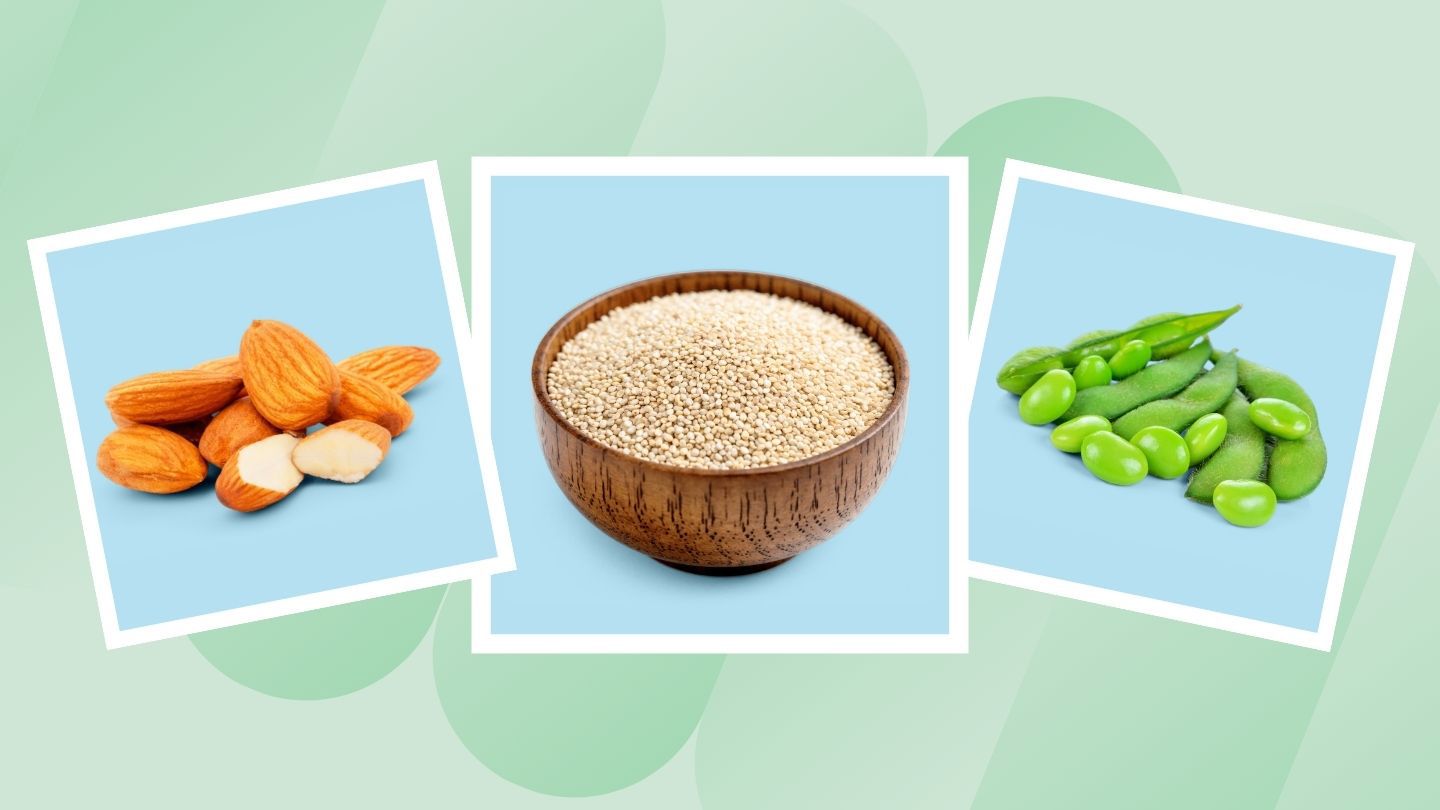
4. Edamame

When soybeans are harvested young, while they’re still green and tender, they’re called edamame. You can buy them frozen, in the pod or out, and they only need a few minutes of cooking to be edible (just don’t eat the pods). One cup of shelled edamame provides more than 18 g of protein and 8 g of fiber, per the USDA.
Soy also contains isoflavones, plant compounds that can have an estrogen-like effect. Although this has led some people to avoid soy, human research doesn’t show that regular consumption raises estrogen levels or has harmful effects. In fact, edamame or other soy products rich in isoflavones may help protect against some hormone-related cancers.

A bag of frozen edamame offers countless possibilities. Kethamukkala boils them briefly in the pod, then brings them to work for a snack, popping out the beans as she eats. Or you can sprinkle shelled edamame onto grain bowls, soups, stir-fries, and fried rice for a boost of fiber and protein. Thaw the frozen beans under warm water, pat dry, and toss in.

5. Quinoa

Odds are you’ve got quinoa in your pantry right now. But if you haven’t used this grain-like seed for a while, it’s time to put it back in rotation.

“Quinoa is so quick and easy to prepare, and it’s high in protein and fiber,” Dr. Barkoukis says. One cup of cooked quinoa has 8 g of protein and 5 g of fiber, per the USDA.

Quinoa is also highly versatile. “I’m a lazy cook, so I’ll throw in some quickly sautéed shrimp or scallops or chopped chicken, along with some mixed vegetables,” Barkoukis says.

6. Beans

Beans are a nutritional goldmine: Not only are they high in fiber and protein, but they’re low in calories and packed with a rich matrix of vitamins and minerals, Barkoukis says. In most beans, that matrix includes folate, other B vitamins, magnesium, iron, and potassium.
The protein and fiber content vary depending on the type of bean. For instance, a half-cup serving of black beans has 8 g of protein and 9 g of fiber. Meanwhile, the same amount of navy beans has 10 g of protein and nearly 7 g of fiber.
Regardless of type, legumes like beans offer a wide array of potential health benefits. One systematic review and meta-analysis reveals that eating legumes weekly is associated with a reduced risk of cardiovascular disease and coronary heart disease, with the greatest benefit seen at about 400 g (roughly 2 cups) of cooked legumes per week. These perks might be explained by legumes’ fiber content, which helps lower LDL cholesterol.

Create a trendy dense bean salad or puree a can with garlic, olive oil, lemon juice, and spices for an instant dip. Or, mash a can of white beans and stir into soups for a creamy texture.

7. Whole Grains

The amount of protein and fiber you’ll get depends on the grain and what form it’s in. For example, one slice of whole-wheat bread has nearly 4 g of protein and more than 3 g of fiber. One cup of quick-cooking bulgur, on the other hand, has nearly 6 g of protein and 8 g of fiber.

Whole grains like wheat berries, brown rice, and barley take a while to cook, so make a big batch on the weekend and refrigerate. Then, use it for grain bowls, grain salads, and side dishes.

Don’t be fooled by products labeled “multigrain,” because each individual grain may be refined. Most of a grain’s protein and fiber is stripped away during refining, so look for the word “whole” in the ingredients list to get the health benefits. “I don’t care if it’s 5,000 types of grain, one of them needs to be a whole grain,” Barkoukis says.

Read the full article here

Share This Article
Leave a comment

Leave a Reply

Your email address will not be published. Required fields are marked *