There is no cure for the NF1 condition as a whole, but treatments are available for most of the symptoms a person may have or develop, says Rebecca Brown, MD, PhD, an associate professor at the University of Alabama at Birmingham Department of Neurology and the director of the UAB Neurofibromatosis Clinic.
Medical Care and Monitoring
People with NF1 should have a yearly medical checkup and an annual eye exam to look for changes that may signal new problems.
Blood pressure should be checked regularly, since high blood pressure is more common in NF1.
Targeted Treatments
MEK inhibitors are a new class of drugs approved to treat inoperable plexiform tumors, which grow along the nerves in 30 to 50 percent of people with NF1.
Mirdametinib (Gomekli) inhibits MEK1/2, which are key mediators in the mitogen-activated protein kinase (MAPK) pathway. Overactivation of the MAPK pathway causes uncontrolled cell growth and tumor formation.
In clinical trials, 41 percent of adults and 52 percent of children had a shrinkage in the volume of their tumors. Participants also reported improvement in pain and health-related quality of life.
Selumetinib (Koselugo) works by blocking the RAS/RAF/MEK pathway, which is overactive in tumor cells, and has been shown to shrink inoperable tumors. In pediatric clinical trials, 68 percent of children had tumor size reduction anywhere from 20 to 60 percent. Participants also reported better physical function, reduced pain, and improved mobility.
In adults, 20 percent of trial participants saw their tumors shrink by at least 20 percent when taking selumetinib.
Cancer Treatment
Chemotherapy or radiation therapy may be used to prevent tumors from growing or to treat tumors that have become cancerous.
Potential Future Treatments
There is ongoing research testing gene therapies for neurofibromatosis type 1. One potential treatment includes replacing the NF1 gene to restore the function of neurofibromin.
Surgery
If a tumor is growing, causing symptoms or pain, or there is a concern about cancer, it may be surgically removed.
Surgery or orthopedic braces (or both) may be necessary to correct some types of bone malformations, such as scoliosis.
Physical and Occupational Therapy
Some people with NF1 need assistance with walking, balance, and coordination, which may be helped with physical or occupational therapy.
Learning and Therapeutic Support
Children with NF1 have a higher risk of learning disabilities, including ADHD and delayed speech, and they should be evaluated by a professional who is knowledgeable about NF1. They may benefit from an individualized educational plan.
Light Therapy
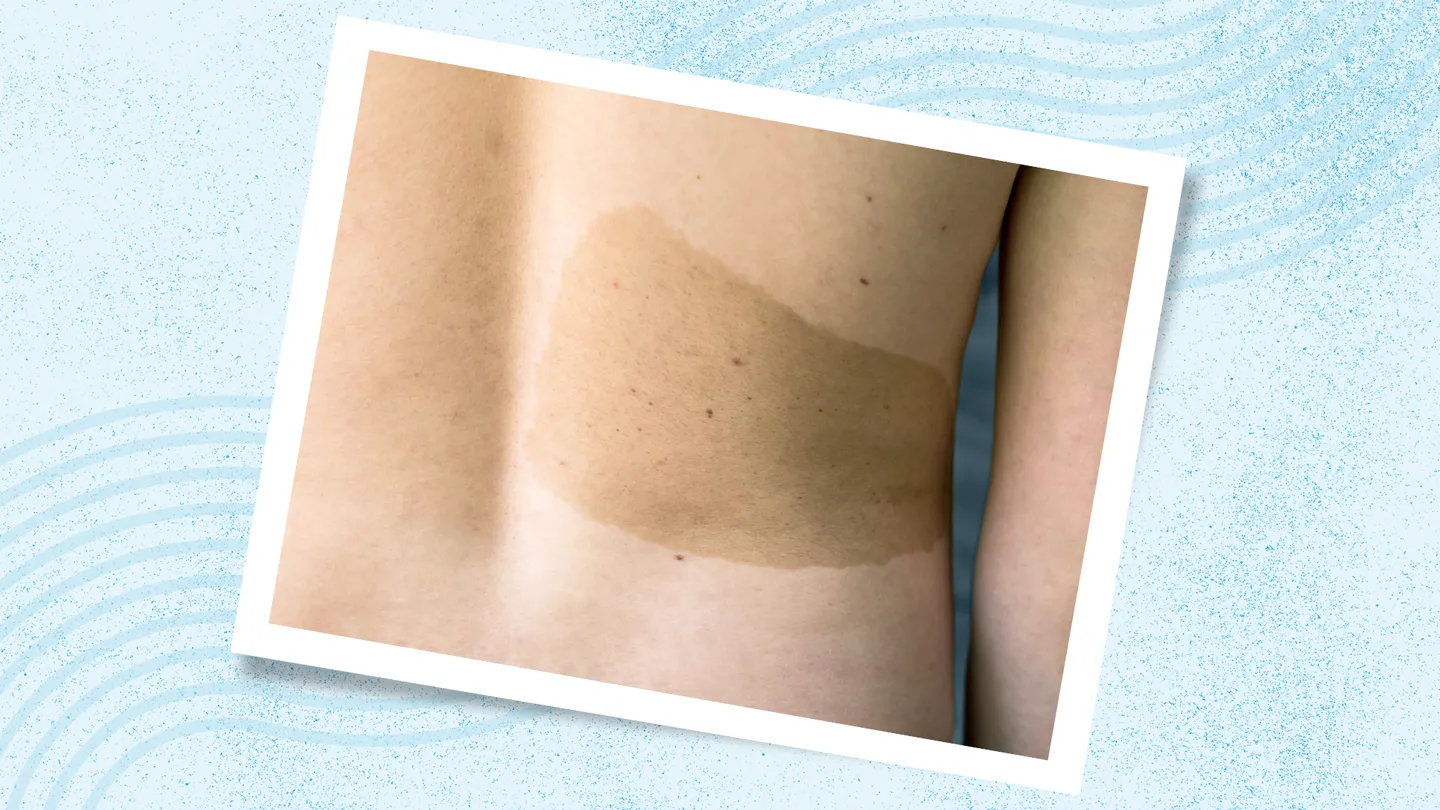
There is some evidence that light therapy with topical vitamin D may help fade café au lait spots.
Read the full article here