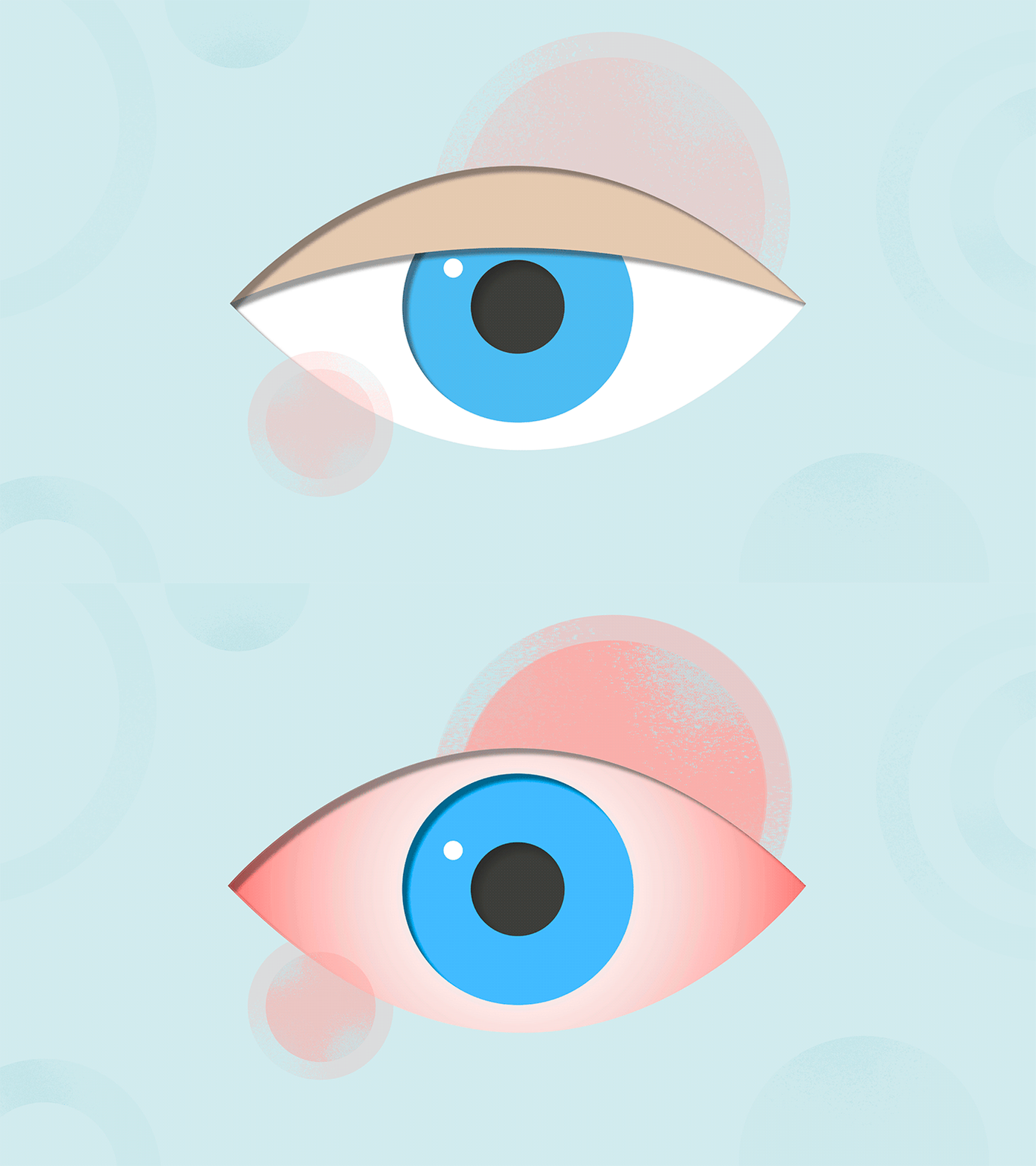
The Chronic Phase of Thyroid Eye Disease
The chronic phase, sometimes called the stable or inactive phase, generally begins after the most active inflammation has subsided and the symptoms have stabilized.
What Is Happening in Your Eyes and Body
By the chronic phase, inflammation may be lower, but the tissues around the eyes may not return completely to their former shape. Scarring or lasting tissue changes can leave the eyes protruding, the eyelids pulled back, or the eye muscles restricted.
Common Symptoms
The symptoms that often remain in the chronic phase include eyelid retraction, bulging eyes, and double vision, says Abugo.
Other lasting changes may include blurry vision, red eyes, baggy eyes, or trouble closing the eyelids fully.
Treatment Goals
In the chronic phase, treatment often shifts from calming inflammation to improving function, comfort, vision, and appearance.
“If lifestyle changes and medication are not helping, your ophthalmologist may recommend surgery,” says Abugo.
Surgical Options
Surgery is usually considered after the condition has stabilized, when it’s easier to see which changes are likely to be lasting.
The goal of surgery is to reposition the eye or the muscles of the eye, which will help relieve eyelid retraction, improve vision and bulging eyes, push the eye back into a more normal position, and relieve any pressure on the optic nerve, says Abugo.
Surgical options may include:
- Orbital Decompression Surgery This creates more room in the eye socket, which can reduce bulging and relieve pressure on the optic nerve.
- Eye Muscle Surgery This may help if scarring or muscle changes are limiting eye movement or causing double vision.
- Eyelid Surgery This can reposition the eyelids to improve comfort, appearance, and eye protection.
- Additional Oculoplastic Surgery This can address soft tissue or cosmetic changes around the eyes not handled in other surgeries.
These surgeries are often staged, or done in a specific order, and more than one procedure may be needed for the best result.
Read the full article here