Bathing and Skincare
Bathing Tips with Eczema
- Take at least one bath or shower a day, preferably just before bedtime.
- Bathe or shower in lukewarm (not hot) water for no longer than 10 to 15 minutes
- Use a gentle, dye-free, fragrance-free cleanser instead of soap.
- Pat skin with a towel after bathing, leaving it slightly damp, and apply prescription topical medication as necessary.
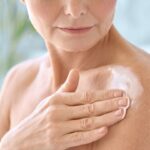
- Apply moisturizer all over the body within three minutes.
- Wait a few minutes to get dressed so the moisturizer has time to absorb into the skin.
The act of bathing, applying topical medications to inflamed areas, and then moisturizing the rest of the body is known as the soak and seal method. A doctor might also recommend wet wrap therapy, in which you wrap the affected area with damp cotton dressings and a layer of dry dressings for longer periods to keep in moisture.
Different Remedies to Add to Baths (One at a Time)
Baking Soda People often try adding a quarter cup of baking soda to a bath, and it might help to relieve itching in some people. However, there is not much evidence supporting its use for eczema, and it can disrupt your skin’s microbiome – the community of bacteria living on its surface. This can, in turn, lead to irritation or dryness.
Gentle Bath Oils Choosing bath oils with no fragrances or bubble bath solutions can help to keep you moisturized without triggering irritation or drying out the skin like ordinary wash products. They may be useful for people with sensory issues who can’t tolerate the greasy feeling of emollients on their skin.
Epsom or Dead Sea Salt If you add 1 or 2 cups of these salts, they may soothe some eczema symptoms during severe flares due to their potential anti-inflammatory properties, their ability to kill germs, and their possible benefits for the skin barrier. However, this can also be irritating to some people, causing stinging and discomfort on skin that has severe inflammation. Avoid trying salt baths until you’ve spoken to a dermatologist about whether they’re right for you.
While oatmeal baths and some other food products listed below may be soothing, other foods are not safe for use on skin.
Applying certain food products to your skin comes with risks, according to Kanwaljit K. Brar, MD, a pediatric allergist and immunologist at Allied Physicians Allergy, Asthma, & Sinus Center of Long Island, New York. “This may increase the risk for food allergy or may cause skin irritation,” she says.
Read the full article here