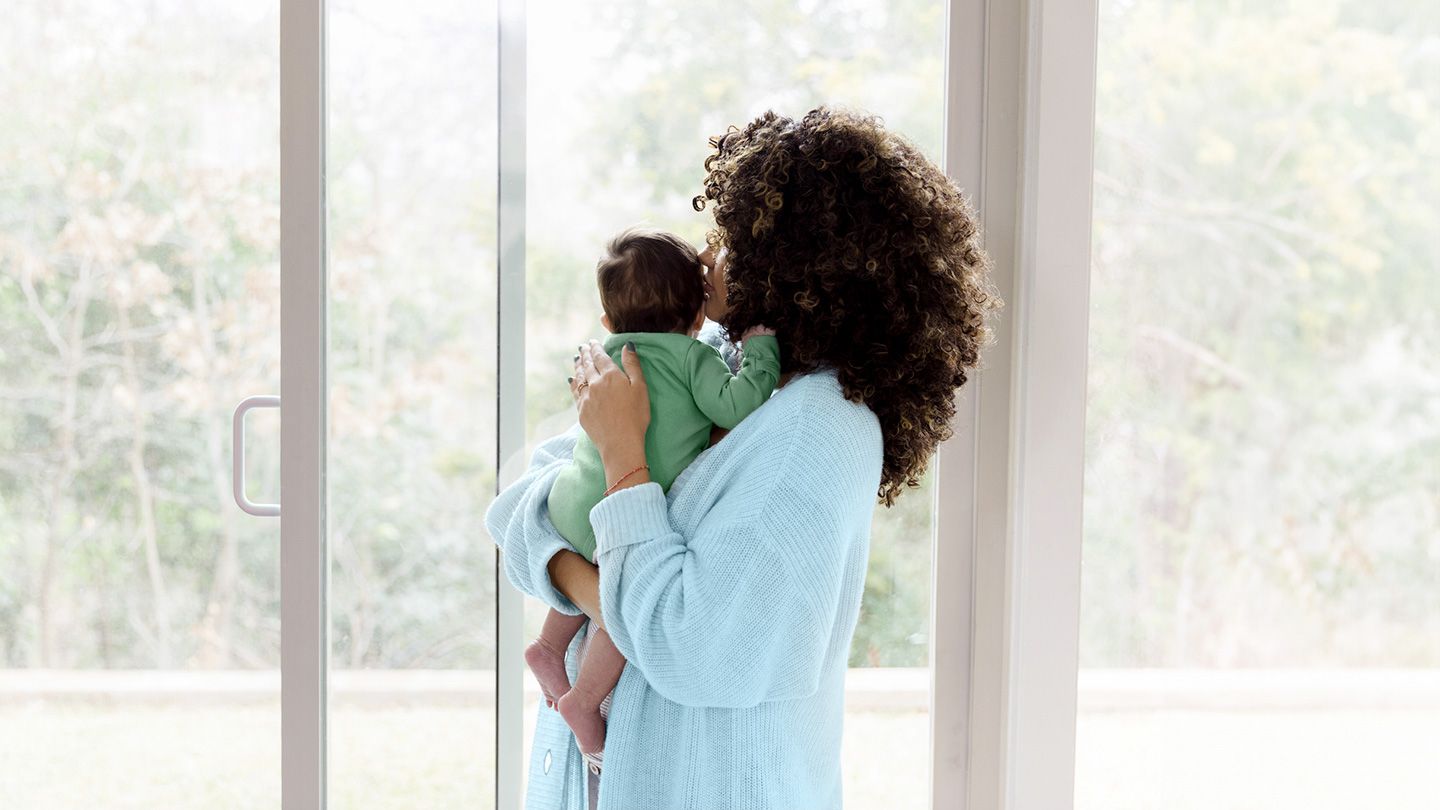
Although the first months with a new baby can be filled with joy, it can also be a challenging time for your emotional well-being. That’s particularly true if caring for your baby round the clock has you feeling isolated from the world around you and you’re struggling with loneliness as a result. Research suggests that isolation and loneliness can raise the risk of postpartum depression owing to several factors, including the feeling that you can’t leave your home, a change in identity, and fears of inadequacy as a mother.
“Isolation and loneliness can contribute to postpartum depression by increasing stress, reducing emotional support, and making it difficult for the new parent to seek help or feel heard and understood,” says Kecia Gaither, MD, an obstetrician-gynecologist and an associate professor of clinical obstetrics and gynecology at Weill Cornell Medicine in New York City. This can be heightened by sleep disruption, feeling overwhelmed, exhaustion, lack of practical help, and financial stressors, she says.
“This can lead to withdrawal, which can make depression worse, which is why self-care is an important part of postpartum management,” says Dr. Gaither. In terms of what type of strategies may help you manage isolation, loneliness, and postpartum depression and feel more supported, consider the following suggestions as a starting point.
1. Share Your Feelings
One of the most crucial steps in alleviating postpartum isolation is recognizing which emotions are difficult and addressing them with a partner, friend, or health provider, says the psychiatrist Alex Dimitriu, MD, the founder of Menlo Park Psychiatry & Sleep Medicine in California and a medical reviewer for Everyday Health.
“There can be a cycle of silence, especially if you’ve withdrawn from others because you feel like you might be judged, or because you’re seeing other people return to their own busy lives,” he says. “But acknowledging how you feel is part of self-care.”
Even writing in a journal can help significantly. Research on women who experienced psychological distress during the postpartum period found that expressive writing, where you write about your thoughts and feelings as a way to process emotions, resulted in notable relief from stress and depression.
2. Spend Time Outside
Being in your home for long stretches of time can worsen the feeling of being isolated, even if you get occasional visitors or you share that space with a partner and children, says Gaither. “Time outside in nature can help stabilize mood and reduce the feeling of being ‘stuck’ with only infant care duties,” she says. Being in nature is even better when you can pair it with socializing, such as taking a walk with a friend.
Research involving focus groups with 30 mothers of children under age 5 who spent time in natural spaces found significant benefits to social, mental, and physical well-being during the postnatal period. The mothers reported that spending time outside improved their well-being, gave them relief from stressors, and enabled connection with others.
3. Listen to Music
Being home more often after giving birth can make you feel isolated, or like you’re not connected to the world around you. But listening to music can help you reestablish a connection to something outside yourself, while also providing mental stimulation and stress relief.
Research has found that listening to music while doing mindfulness exercises such as deep breathing or a body scan meditation can reduce stress and improve the psychological state of people with depression and anxiety. And participants who listened to music with others also reported increased feelings of social connection.
Audiobooks are another option that may help you feel less isolated. You might include titles about postpartum issues, or just frothy beach reads that are entertaining. Online book clubs and review communities like Goodreads can be a good place to engage in discussion that doesn’t require an immediate response.
4. Optimize Short Breaks
When caring for a newborn, rest time tends to be very limited, so it’s important to be efficient, says Dr. Dimitriu.
That could mean resting or taking a nap whenever the baby does. You can also develop a schedule with your partner, a family member, or babysitter that designates a time for you to nap or get out of the house for whatever you find relaxing, such as a massage, a gentle yoga class, or even just a walk outdoors by yourself. The point is to include small moments each day for resetting yourself, instead of using that time exclusively for to-do list tasks like laundry or cleaning.
“Self-care isn’t a luxury during postpartum,” Dimitriu says. “It’s a clinical necessity to help regulate the nervous system and maintain the resilience needed for caregiving.”
5. Ask for Support Early
Hearing from other parents who are in a similar situation can help you feel less alone, says Gaither. If possible, consider finding a support group — one that’s in person is ideal, but there are also virtual options — as early as possible, even if you think you don’t need one. Signing up for a group before you go into labor may bring comfort that you’ll have support during the postpartum period.
You can ask for support in these other ways as well:
- Reach out to your partner, family, or friends with specific requests, like help with groceries, a ride to appointments, or just to listen.
- Find community resources like social service agencies, faith-based groups, or family resource centers.
- Describe your symptoms to a healthcare professional, who can connect you with therapy, or suggest medication for postpartum depression if it’s right for you.
“Getting support early is the best step because symptoms like loneliness, anxiety, and overwhelm will likely worsen if they’re not addressed,” Gaither says.
Read the full article here