Foods to Avoid — and Why
Because people with PI may be more vulnerable to infections, food safety is a bigger part of healthy eating. The main concern is food that may carry bacteria such as listeria or salmonella, says Zumpano.
That does not mean every person with PI needs the same level of restriction. The safest approach is to ask your immunologist or dietitian how cautious you need to be, based on your diagnosis, treatment plan, infection history, and overall health.
First, make sure you follow the basics of safe food prep: Wash your hands, keep raw meat away from other foods, cook foods to safe temperatures, and refrigerate perishables promptly. Keep the refrigerator at 40 degrees F or lower, and thaw food in the refrigerator, not on the counter.
Undercooked Meats Raw or undercooked meat, poultry, and seafood are among the higher-risk foods for people with weakened immune systems. That includes rare steak, undercooked chicken and turkey, sushi, sashimi, ceviche, and raw oysters.
Using a food thermometer is the easiest way to know whether food is safe. Zumpano recommends cooking poultry and leftovers to 165 degrees F, ground meat to 160 degrees F, and beef, pork, lamb, and fish to 145 degrees F.
Deli meat, cold cuts, hot dogs, and fermented and dry sausages should be reheated to 165 degrees F or until steaming hot.
Raw or Undercooked Eggs Raw or undercooked eggs can carry bacteria, primarily salmonella, which makes runny yolks, raw cookie dough, raw batter, homemade eggnog, and some Caesar dressings (typically in restaurants or homemade if raw eggs are an ingredient) a concern.
“Eggs should be cooked until the yolks and whites are firm,” says Zumpano. For foods that will not be cooked to a safe temperature — such as mousse, homemade dressing, or other recipes using raw eggs — pasteurized eggs are the safer choice.
Premade deli salads, such as potato salad, tuna salad, chicken salad, egg salad, and coleslaw, can also be riskier choices. Homemade versions are safer because you can control the ingredients, cleanliness, storage, and timing.
Raw Cheese and Other Dairy Products Unpasteurized milk and dairy products made from raw milk should be avoided. Soft cheeses made from unpasteurized milk — such as queso fresco, Brie, Camembert, and blue-veined cheeses — can be risky.
Safer choices include pasteurized milk and cheeses such as Cheddar and Swiss, cottage cheese, cream cheese, string cheese, and feta when made from pasteurized milk. Pasteurized soft cheeses and deli-sliced cheeses can be made safer by heating them to 165 degrees F or until steaming hot.
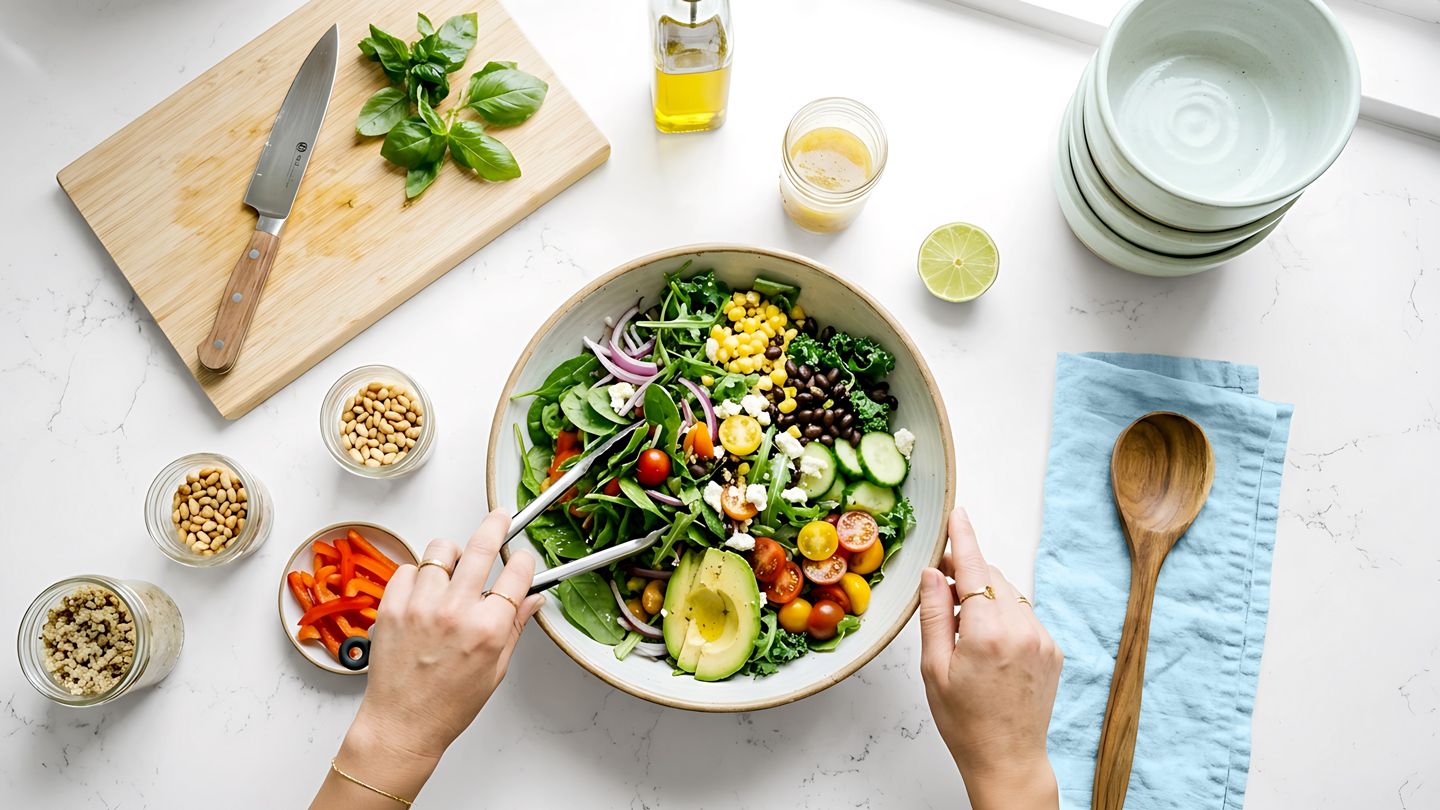
Fruits and Vegetables Food safety precautions apply to produce as well, says Zumpano. “Wash fruits and vegetables thoroughly under running water, and avoid precut and packaged salads,” she says.
Read the full article here