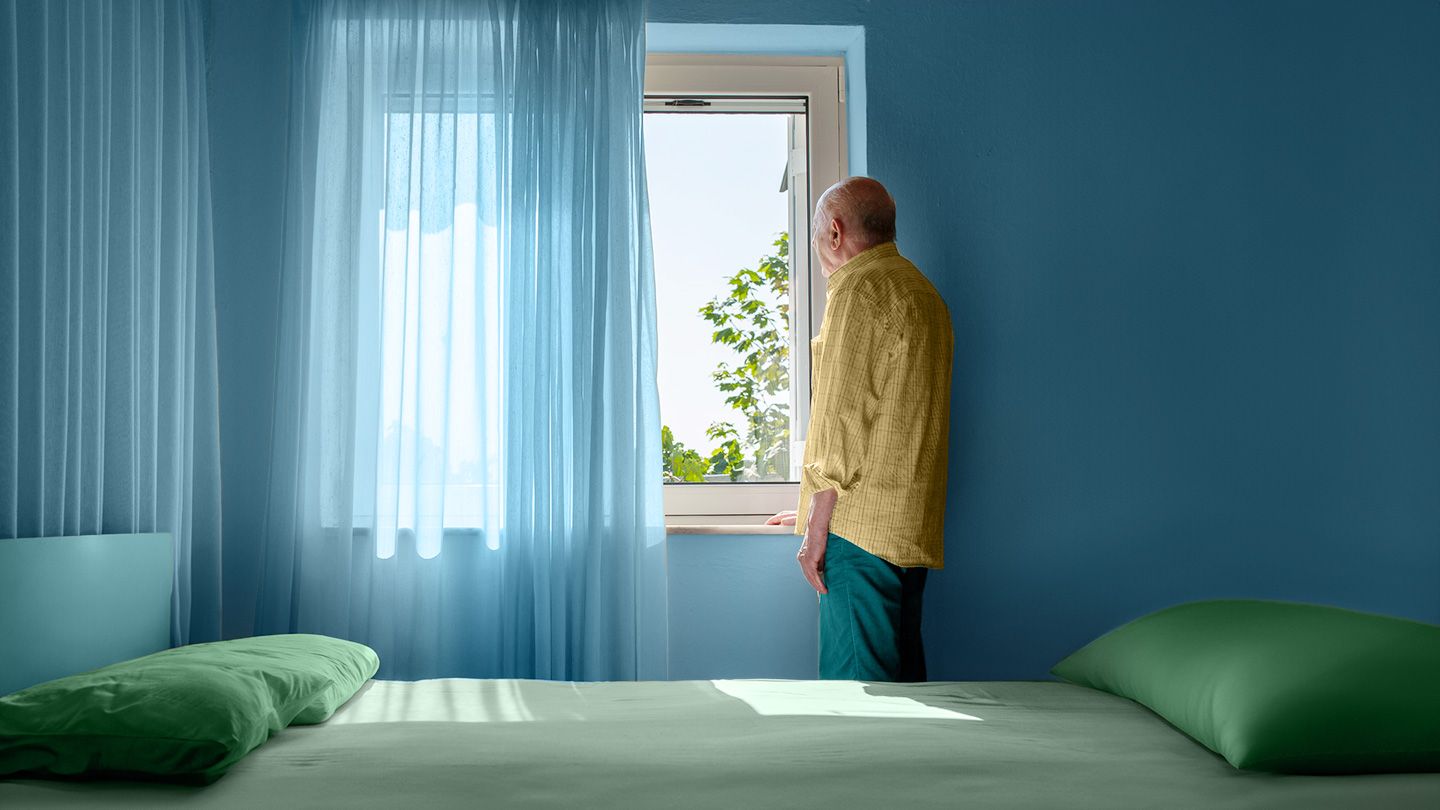
What Does Depression Look Like in an Older Adult?
Depression can look a little different and therefore be harder to spot in an older person compared with someone younger because their everyday activities are often different, says Dawn Carr, PhD, a professor of sociology at Florida State University’s Pepper Institute on Aging and Public Policy in Tallahassee.
“For a [retired] person who doesn’t have a schedule that’s consistent, it’s easy to kind of get into a rut and for [other] people to not be able to notice,” Dr. Carr says.
Social isolation is a common trigger and sign of depression among older adults, she says. “[Depression is] often initiated as a consequence of not having a sense of meaning and purpose, so it might even be caused by lack of social engagement and meaningful engagement with others on a regular basis,” says Carr.
Depression may show up physically, too, says Sheila Babendir, EdD, a licensed professional counselor and the dean of the College of Social and Behavioral Sciences at the University of Phoenix in Arizona. “Appetite lessens, they may want to sleep more, and they don’t have motivation,” Dr. Babendir says. “They may not feel as sad or blue, but it might manifest as feeling less energized.”
- Personality changes
- Memory problems
- Physical aches or pain
- Fatigue or sleep problems not connected to medication or illness
- Often staying at home and not socializing or trying new things
Research has also shown a relationship between depression and hoarding among older adults, characterized by difficulty discarding or parting with possessions regardless of their actual value. One study found that about 30 percent of older adults with major depressive disorder (aka major depression or clinical depression) also met the criteria for a diagnosis of hoarding disorder.
Read the full article here