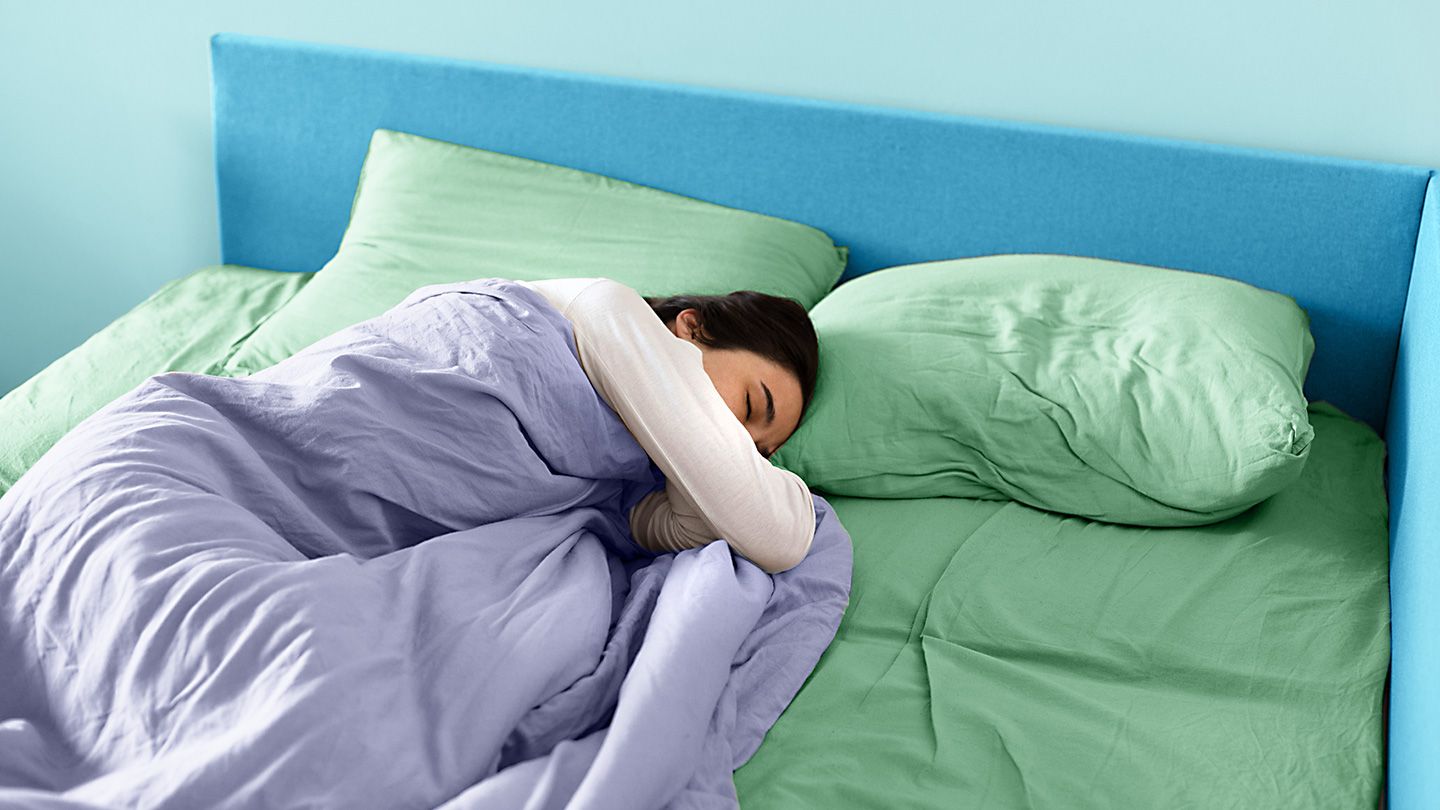
How to Stop Taking ‘Depression Naps’
Many health conditions, including chronic pain, hypothyroidism (underactive thyroid), and post-COVID syndrome, cause fatigue and may make you more likely to nap during the day, Speed says. So, it may help to consult a healthcare provider to determine whether you’re truly taking depression naps or if they’re related to another condition.
If depression is the underlying cause, probe further to understand your motivation for napping. Exhaustion from depression-related insomnia, for example, calls for a different intervention than using naps as an avoidance strategy.
Here are five approaches that can help, depending on what’s driving your naps.
1. Practice Behavioral Activation
As Sands says, depression often leads people to withdraw and engage less with things that bring them fulfillment, joy, or any kind of positive feeling. “It’s really important that people try to re-engage with those things — to activate their behavior and do things that are stimulating,” he says, noting that the times you feel the desire to nap is the perfect opportunity to engage in behavioral activation.
2. Move Your Body (Even Briefly)
Exercising, even for short bouts, can improve both sleep and mood. “Moving our muscles and helping the blood get pumped to our brain — that’s going to be more beneficial than taking that nap,” Speed says.
3. Write a ‘Worry List’
Feeling overwhelmed is a common trigger for depression naps. Instead of heading to bed, try writing your worries down. “Writing it down can be helpful — to say, ‘Okay, I’ve acknowledged it. I can’t do anything about it right now, but I will do it tomorrow,’” Speed says.
Once you’ve put them on paper, redirect your focus by doing something else, she suggests.
4. Improve Your Sleep Hygiene
Focusing on sleep hygiene (healthy habits, behaviors, and environments for sleep) is a simple yet effective strategy for curbing depression naps driven by daytime fatigue. “People underestimate the value of it,” Sands says.
There are several sleep hygiene habits that can make a difference, including following a consistent bedtime and wake time. “Even that alone can be powerful,” Sands says. Avoiding screens before bed, limiting caffeine to morning hours, and not eating, working, or watching TV in bed can also help.
Sands recommends getting out of bed if you haven’t fallen asleep within 20 minutes. Leave the bedroom and do something relaxing that doesn’t involve screens until you feel tired again, he says.
5. Seek Professional Help
There are many effective self-help strategies you can use to tackle depression naps. It’s best to work alongside a mental health professional. “If someone is experiencing depression and struggling, my advice is to seek treatment, whether that’s therapy, medications, or a combination,” Sands says.
If you already see a mental health professional, tell them what you’re experiencing. They can help you find ways to cut down on depression naps.
Read the full article here