Secondary Benefits
These medications offer potential benefits beyond weight loss as well.
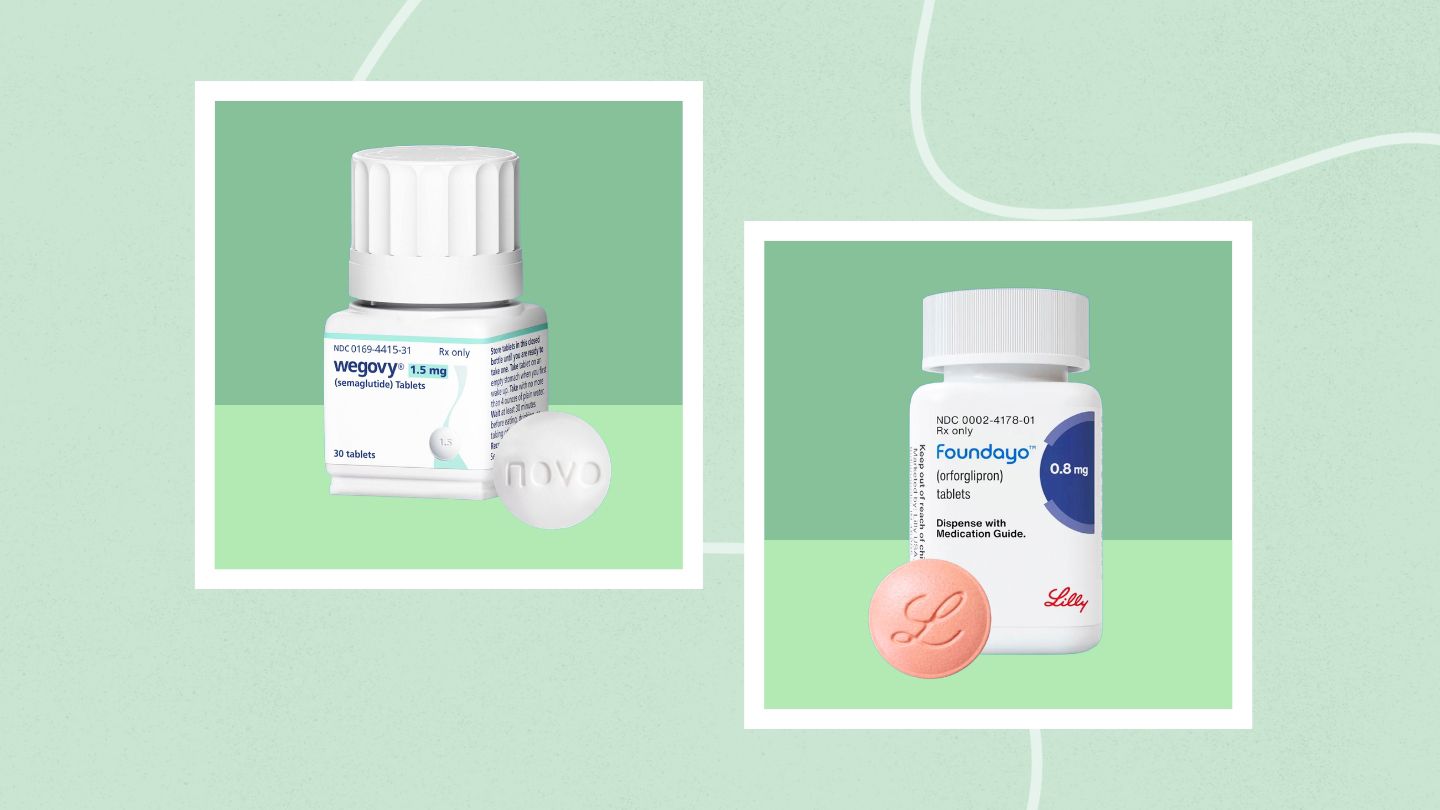
Both oral Wegovy and Foundayo appear to improve key heart and metabolic health markers, including blood glucose, blood pressure, and lipid parameters (such as cholesterol and triglycerides), says Dr. Anton. In the ATTAIN-1 (Foundayo) trial, for example, up to 91 percent of the 1,127 participants who had prediabetes before treatment achieved near-normal blood glucose levels at 72 weeks.
Additionally, oral semaglutide specifically has been shown to improve cardiovascular outcomes, says Anton. One study randomly assigned 9,650 people with type 2 diabetes and either cardiovascular disease, chronic kidney disease, or both to take oral semaglutide or a placebo for about four years. Those who took oral semaglutide were 14 percent less likely to have a major heart event like heart attack or stroke than those who took a placebo.
“Due to these findings, oral Wegovy would currently be my preferred choice when cardiovascular risk reduction is top priority,” says Anton, noting that both medications seem promising for people focused primarily on blood glucose control or creating modest improvements in blood pressure and cholesterol.
There’s early evidence to suggest that GLP-1 medications may help curb addictive behaviors as well, says Richard Frank, MD, the West Palm Beach, Florida–based chief medical officer for Vida Health, a medical weight loss program.
For example, a randomized controlled trial in people with alcohol use disorder found that those who took a low dose of a GLP-1 medication for nine weeks saw significant reductions in alcohol cravings, drinks per day, and heavy drinking days compared with those taking a placebo. But the study used injectable semaglutide, so it’s unclear whether oral semaglutide would produce similar results.
“There is also growing interest in whether GLP-1 medications may help with nicotine dependence, binge eating disorder, and other compulsive reward-driven behaviors,” says Anton. “Larger randomized controlled trials are still needed before these medications become [part of] evidence-based standards of care [for these uses].”