Yet, “a lot of skin cancer is preventable, and even more of it is catchable early once you know what to look for,” says Aderonke Obayomi, MD, a board-certified dermatologist and an assistant professor of dermatology at Mount Sinai in New York. So we asked skin cancer specialists to share the things they would never do when it comes to skin health and sun protection, and what they want us to know.
1. They Won’t Skip Sunscreen When It’s Cloudy
If there’s one habit skin cancer doctors are unwilling to compromise on, it’s daily sunscreen use, and that applies even when it isn’t sunny or hot.
Because UV rays are present year-round, they can contribute to premature aging, stubborn dark spots, and melasma (a condition that causes patches of darker skin, particularly on the face). Much of the damage happens slowly, often for years before you can see it, says Dr. Obayomi.
2. They Won’t Miss Certain Body Parts When Applying Sunscreen
Even people who are diligent about using sunscreen can leave certain areas unprotected. “[Skin cancer doctors] would not forget commonly missed areas, such as the ears, scalp, lips, neck, hands, and tops of the feet,” says Dr. Marmon. These are also areas where sun damage and skin cancers frequently occur.
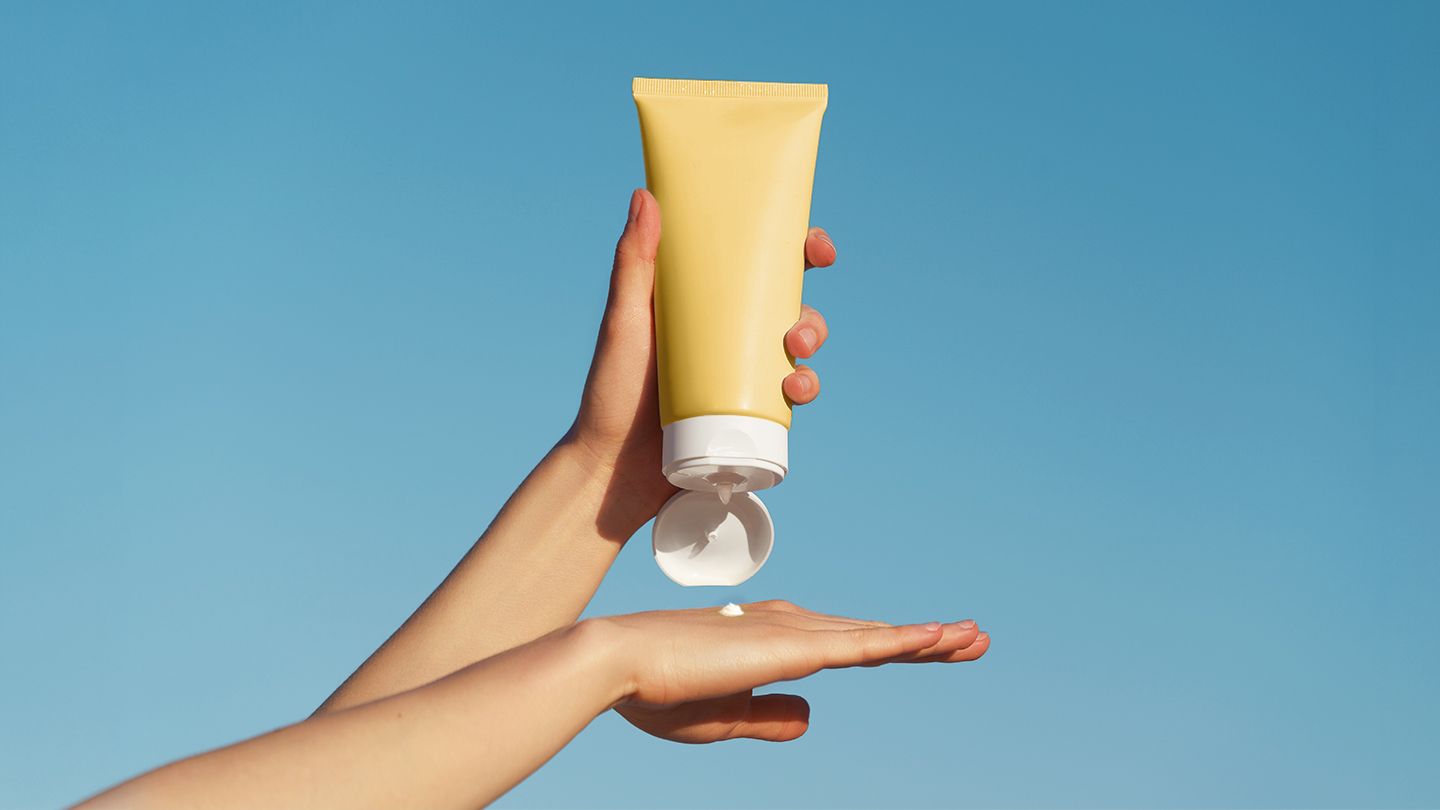
For the face alone, that’s at least one teaspoon, or about enough to cover the length of your index and middle fingers. If you’re using a spray sunscreen, apply enough to evenly coat the skin.
3. They Won’t Rely on Sunscreen Alone
Sunscreen is one of the best tools available to protect our skin from the sun. But skin cancer doctors say it’s a mistake to think it’s the only one you need.
While sunscreen helps reduce UV exposure, it can sometimes create a false sense of security, says Dara Spearman, MD, a board-certified dermatologist in private practice in Fort Wayne, Indiana. People may assume they’re fully protected and skip other sun-safe habits altogether, or stay in the sun even after the sunscreen has lost effectiveness, which can happen within two hours of application, she says.
Instead, think of sunscreen as one part of your sun protection plan, says William Posten, MD, the chief dermatologist at Sensus Healthcare, a medical device company focused on skin cancer treatment, and a board-certified dermatologist practicing in Dallas.
That means layering in physical barriers, especially if you’ll be spending an extended period outdoors. These barriers include:
- A wide-brimmed hat
- Ultraviolet protection factor (UPF)-rated clothing, which is specially designed and labeled to block UV rays
- UV-blocking sunglasses
- Staying in the shade during peak UV hours, roughly between 10 a.m. and 4 p.m.
And if you’re wondering whether your SPF makeup counts, the short answer is that it shouldn’t be your only protection. Dr. Posten says most people apply far less makeup than is needed to achieve the SPF listed on the label. Instead, he recommends using a dedicated broad-spectrum sunscreen every day and treating SPF foundation as an added layer of protection rather than a replacement.
4. They Won’t Use Homemade Sunscreen or ‘Natural Alternatives’
With the rise of clean skin care, many people are paying closer attention to what they put on their skin, and that’s understandable. But when it comes to sun protection, homemade sunscreens aren’t a safe substitute for traditional sunscreen.
“There is no evidence that homemade sunscreens or natural remedies offer equivalent, and certainly not better sun protection than properly tested, broad-spectrum sunscreen,” Dr. Spearman says.
“The far larger and far better-documented risk is the UV exposure you take on by going without sunscreen,” says Obayomi, and the most important thing is to wear and reapply whichever sunscreen you will use consistently.
In June 2026, the U.S. Food and Drug Administration (FDA) approved bemotrizinol, a sunscreen ingredient that offers broad-spectrum UVA and UVB protection with low levels of absorption through the skin into the body. Bemotrizinol has been used in Europe and other countries for years, but it may take some time for products containing it to become widely available in the United States.
5. They Won’t Intentionally Get a Tan
There’s no such thing as a “healthy tan,” and all our experts agree that they would never try to get one on purpose — indoors or outdoors.
And the popular idea of building a “base tan,” which refers to intentionally tanning before a vacation or summer season in the hope of preventing future sunburns, is a myth, Obayomi says. A base tan simply offers no meaningful protection against sunburn.
“If a patient asks me whether occasional tanning bed use is acceptable, my answer is always no,” Posten says. If you like the appearance of tanned skin, he recommends using a sunless self-tanner instead.
6. They Won’t Skip Regular Skin Checks
That includes skin checks done both at home and by a dermatologist, says Obayomi. “A yearly skin exam with a dermatologist, paired with a monthly look at your own skin, is one of the simplest ways to catch something early,” she says.
Never check only the places that are exposed to the sun. “When you do a self-exam, look everywhere, including the soles of your feet, between your toes, your nail beds, your scalp, and your palms,” says Obayomi.
Screening is especially important for people with higher risk factors of skin cancer, such as a personal or family history of skin cancer, numerous moles, previous tanning bed use, or a history of severe sunburns, Marmon says. Your dermatologist can tell you how often you should have a professional skin exam.
7. They Won’t Ignore a Changing Mole or Non-Healing Spot
This is another point our skin cancer experts unanimously agree on. Watch for the ABCDEs of melanoma, which stand for:
- Asymmetry, meaning one half of the spot doesn’t match the other
- Border, referring to edges that look uneven, ragged, or scalloped
- Color, such as variations in shade, including different tones of brown, black, red, or white within the same spot
- Diameter larger than about six millimeters, roughly the size of a pencil eraser, though melanomas can be smaller
- Evolving, meaning the spot is changing in size, shape, color, or feel over time
Obayomi also says it’s important to pay attention to sores that seem to heal but keep returning in the same location.
Changes in a mole — even if it’s been there for years — or a new mole that appears after age 40, can sometimes be a sign of skin cancer, including melanoma, Spearman says. If a spot is new, changing, bleeding, painful, or not healing, make an appointment with your dermatologist to have it checked as soon as possible.
And don’t assume a spot is harmless just because it’s not painful. “One of the biggest mistakes I see is patients waiting months or years because a lesion doesn’t hurt,” says Posten. Skin cancers often cause no pain in their early stages, and delaying evaluation can lead to larger surgeries and more extensive treatment.
8. They Won’t Believe Skin Cancer Only Happens to People With Fair Skin
Spearman explains that people with darker skin have more melanin, which provides some natural protection from UV radiation, but that protection is nowhere near enough. Skin cancer can still develop, and in deeper skin tones, it’s more likely to be diagnosed at a later, more advanced stage, which can contribute to poorer outcomes.
“In skin of color, melanoma often appears in places people never think to check, like the palms of the hands, the soles of the feet, and under the nails,” Obayomi says. An example is music icon Bob Marley, who died from a melanoma that started under his toenail.
Everyone needs sun protection, and everyone should pay attention to changes in their skin, our experts say. Have any suspicious lesions evaluated by a dermatologist to get an appropriate diagnosis and treatment at the earliest stage possible.
9. They Won’t Assume Skin Cancer Always Looks Dark or Obvious
You might imagine a dark, irregular mole when you hear skin cancer, but that assumption can lead you to overlook warning signs.
“[Skin cancer] can also appear as a pink bump, a scaly patch, a sore that doesn’t heal, or a spot that bleeds easily,” Marmon says. It may also be red, pearly white, or flesh-colored. Posten says that, in fact, some of the most common skin cancers do not resemble the classic images people see online.
This is one more reason our experts recommend paying attention to any new or persistent lesion and having a dermatologist take a look as soon as possible.
Read the full article here