


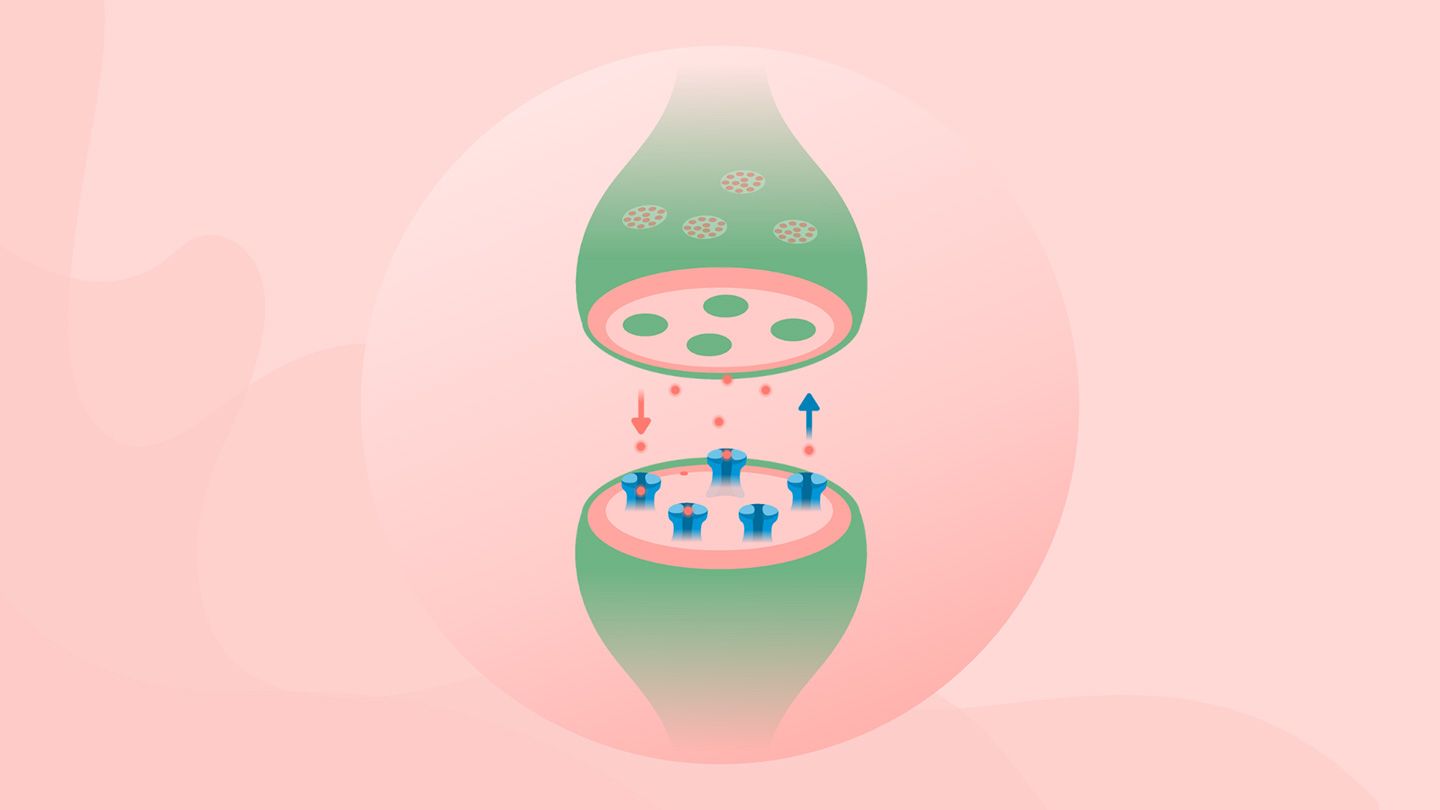
The Takeaway Dopamine is a type of neurotransmitter. It plays a role in many systems in your body, including motivation and reward, movement, mood, and attention. Normally, dopamine helps you prioritize activities that increase your well-being, like eating, social bonding, and exercise. Problems with dopamine are associated with conditions like Parkinson’s disease, ADHD, depression, and addiction. Several types of medications help treat conditions related to high or low dopamine levels, including levodopa, some antipsychotic medications, and NDRIs. Foods or supplements high in the amino acid tyrosine may help your body make more dopamine, but more research is needed to understand the connection.
Dopamine and Addiction Addiction Dopamine is involved in creating feelings of pleasure. Some recreational drugs, such as cocaine and heroin, can cause large amounts of dopamine to flood your system, producing a euphoric effect, or “high.” Over time, this makes your body less sensitive to dopamine, decreasing its pleasurable effects on the brain. To regain the pleasurable effects of dopamine, you must increase the amount of drugs taken, which can lead to addiction .e60dc2a1-f33c-4a05-9b50-8e3e8e597629c28e610a-a1ff-43d2-85f7-3e360fcaff96
How Dopamine Works in Your Brain’s Reward System Reward System Dopamine is part of your body’s reward system, reinforcing certain behaviors that result in reward. It helps prioritize activities that are necessary for your well-being and survival, like eating food, social bonding, and exercise.e60dc2a1-f33c-4a05-9b50-8e3e8e5976296a7efbb3-65d0-42a1-84c6-4da36453201f
Dopamine and Digestion Digestion Dopamine plays a role in your digestive system, helping make sure the contents of your gastrointestinal (GI) tract don’t pass through too quickly. It also helps protect your GI lining from inflammation, which is associated with some inflammatory and autoimmune diseases .e60dc2a1-f33c-4a05-9b50-8e3e8e597629cfdce860-2172-4fd3-b726-811898e23c02
Health Conditions Associated With High or Low Dopamine Levels Health Conditions Because dopamine is involved in bodily functions like movement, attention, and mood, high or low dopamine levels are associated with many different conditions. Problems in the way the brain uses dopamine may play a role in disorders like Parkinson’s disease, ADHD, bipolar disorder , and schizophrenia.e60dc2a1-f33c-4a05-9b50-8e3e8e597629336cef01-938a-4d93-b14a-c453662a4418
The Role of Dopamine Receptors Receptors Dopamine receptors are proteins found in your brain and central nervous system. They act as chemical receivers that allow communication between your body’s cells. Dopamine released in your body binds to these receptors, setting off chemical reactions that lead to different effects.e60dc2a1-f33c-4a05-9b50-8e3e8e597629691f7f59-76d0-48a1-9343-9bd684c43baa Dopamine receptors play an important role in many neurological processes, including movement and fine motor control, pleasure, cognition, memory, and learning. Problems with dopamine receptors may play a role in several neurological and psychiatric conditions. Because of this, some drug therapies that treat these conditions act on dopamine receptors.e60dc2a1-f33c-4a05-9b50-8e3e8e5976290543ea48-dee7-465b-9ac3-99292b4ababf
Dopamine Drugs Drugs A few classes of medication treat conditions related to high or low dopamine. They each affect dopamine levels in different ways. Levodopa (L-dopa) Levodopa is a drug that treats movement-related symptoms of Parkinson’s disease . These symptoms are caused by a loss of dopamine-producing cells in the brain.e60dc2a1-f33c-4a05-9b50-8e3e8e597629d3b586ac-180c-4e3c-8bda-eee24c6cc918 Nerve cells can use levodopa to make dopamine and boost levels in the brain. Levodopa is used together with another substance called carbidopa, which helps reduce side effects of too much dopamine in the bloodstream. Several formulations of carbidopa and levodopa exist, which are available as oral pills or tablets, implants, and infusions. They include:e60dc2a1-f33c-4a05-9b50-8e3e8e5976291fa0b609-6076-4d84-b793-277f8a657535 Crexont (capsule) Duopa (implant) Rytary (capsule) Sinemet (tablet) Stalevo (carbidopa, levodopa, and entacapone tablet) Vyalev (foscarbidopa and foslevodopa infusion) Dopamine Agonists Dopamine agonists are a class of drugs that bind to and activate dopamine receptors in the brain. They mimic the action of naturally occurring dopamine, causing nerve cells to react the same way as they would with dopamine.e60dc2a1-f33c-4a05-9b50-8e3e8e59762968f7a327-9983-435b-9511-366799d2f08b Dopamine agonists are used to treat conditions related to low dopamine, including:e60dc2a1-f33c-4a05-9b50-8e3e8e597629b06c5ee8-505a-4fcb-90b1-c350442928a5 Parkinson’s disease Restless legs syndrome Neuroleptic malignant syndrome, a rare side effect of antipsychotic medications Type 2 diabetes High prolactin levels (hyperprolactinemia) Dangerously high blood pressure Common dopamine agonist medications include:e60dc2a1-f33c-4a05-9b50-8e3e8e597629d53be99c-f0e4-473c-99cf-4dc2076d646a amantadine (Gocovri, Osmolex) apomorphine (Apokyn, Kynmobi) bromocriptine (Parlodel) cabergoline (Dostinex) pramipexole (Mirapex, Mirapexin) ropinirole (Requip) rotigotine (Neupro) Side effects associated with dopamine agonists include dizziness when standing up too quickly, hallucinations, problems with impulse control, and nausea and vomiting. Dopamine Antagonists Dopamine antagonists are a class of drugs that bind to and block dopamine receptors. They decrease dopamine activity, which can help treat conditions associated with too much dopamine, such as schizophrenia and bipolar disorder. Many antipsychotic drugs are dopamine antagonists.e60dc2a1-f33c-4a05-9b50-8e3e8e597629f4eda591-0412-4d26-bc33-edc0a17ffd5f Dopamine antagonists can also act as antiemetics, or medications that help treat nausea and vomiting. Common dopamine antagonist medications include: aripiprazole (Abilify, Aristada) droperidol (Inapsine) metoclopramide (Reglan, Gimoti) olanzapine (Zyprexa, Lybalvi, Symbyax) risperidone (Risperdal, Perseris) ziprasidone (Geodon) Dopamine Reuptake Inhibitors Dopamine reuptake inhibitors, also called norepinephrine and dopamine reuptake inhibitors (NDRIs) , work by preventing the neurotransmitters dopamine and norepinephrine from being reabsorbed by nerve cells. This makes more of them available to your brain.e60dc2a1-f33c-4a05-9b50-8e3e8e597629f3de33e0-e1bc-4846-9c63-a23008a4ca19 NDRIs are used to treat: Depression Nicotine addiction ADHD Seasonal affective disorder Common NDRI medications include: bupropion (Wellbutrin, Zyban, Aplenzin) dexmethylphenidate (Focalin) methylphenidate (Ritalin, Concerta) Enzyme Inhibitors Enzyme inhibitors slow the breakdown of dopamine in your brain, increasing its availability. They’re typically combined with levodopa to extend its effects.e60dc2a1-f33c-4a05-9b50-8e3e8e5976295b886711-c058-442c-871a-3e429b30ec6f Common dopamine enzyme inhibitors include: entacapone (Comtan) opicapone (Ongentys) rasagiline (Azilect) selegiline (Zelapar, Eldepryl)e60dc2a1-f33c-4a05-9b50-8e3e8e5976290b956817-38a5-472e-ba48-aea4da5a5ce5 tolcapone (Tasmar) Amphetamines Amphetamines are stimulants that increase dopamine in the brain through a combination of mechanisms. They treat conditions like ADHD, narcolepsy, and obesity. Because amphetamines are controlled substances, they’re only available by prescription. Common amphetamine medications include Adderall (combination amphetamine) and lisdexamfetamine (Vyvanse). VMAT2 Inhibitors Vesicular monoamine transporter 2 (VMAT2) inhibitors alter the way dopamine and other neurotransmitters are packaged, reducing their activity in the brain. They help treat movement disorders, such as tardive dyskinesia, a side effect of antipsychotic medications, and Huntington’s chorea, a symptom of Huntington’s disease.e60dc2a1-f33c-4a05-9b50-8e3e8e5976297bbebc91-857f-42dd-80b1-2b10fe15835c Common VMAT2 inhibitors include: deutetrabenazine (Ingrezza) valbenazine (Austedo) Intravenous Dopamine In some cases, intravenous dopamine is an emergency treatment for life-threatening conditions, such as severe low blood pressure, septic shock, and cardiac arrest.e60dc2a1-f33c-4a05-9b50-8e3e8e5976296553dbf0-9454-4a84-bf3b-d9a9d8af94fe
Dopamine Supplements Supplements Dopamine is made from tyrosine, an amino acid naturally found in food. Some research suggests that eating tyrosine-rich foods or taking tyrosine supplements can help boost dopamine levels in the brain and improve cognitive performance. But larger studies are needed to confirm these effects.e60dc2a1-f33c-4a05-9b50-8e3e8e597629d8b1b670-fd36-48dd-9de6-6b9bc4f7ec78 Foods high in tyrosine include:e60dc2a1-f33c-4a05-9b50-8e3e8e597629b2a8862f-6792-4f25-8383-9d97f642827f Poultry Dairy Avocados Bananas Soy Pumpkin and sesame seeds
Dopamine is a type of neurotransmitter , a chemical messenger that communicates messages between nerve cells in your brain and the rest of your body. It’s involved in motivation, reward, and many bodily functions, including movement, mood, and attention.e60dc2a1-f33c-4a05-9b50-8e3e8e597629ea01e59b-74a7-403a-9ea2-a30612f05bc7 High or low dopamine may play a role in Parkinson’s disease , attention-deficit/hyperactivity disorder (ADHD) , and schizophrenia .
Dopamine and Stress Stress Dopamine also acts as a catecholamine, a type of hormone that regulates various bodily processes, including your body’s response to stress. The other main catecholamines are epinephrine (adrenaline) and norepinephrine .e60dc2a1-f33c-4a05-9b50-8e3e8e5976299ad3dbba-a8b7-4c9e-aff7-ea6247f7c36b While dopamine is primarily made in your brain, epinephrine (adrenaline) and norepinephrine are secreted by your adrenal glands — small organs that sit on top of your kidneys. Catecholamines are released into your bloodstream when your body is physically or mentally stressed. They cause biochemical changes that activate the “ fight-or-flight ” response, your body’s natural reaction to real or perceived threat.e60dc2a1-f33c-4a05-9b50-8e3e8e597629a8bc4289-a0ce-4bfb-807b-94fdee019065 The release of dopamine increases your motivation and focus to help you cope with a stressful event.e60dc2a1-f33c-4a05-9b50-8e3e8e597629c2d26798-ae42-449d-80d7-cd63f8dc4f62
Read the full article here

Leave a comment
