Foods That Break Up Mucus
While there’s no such thing as a mucus-free diet or foods that completely eliminate mucus, there are some mucus-fighting foods that you can eat.
1. Broth-Based Soups
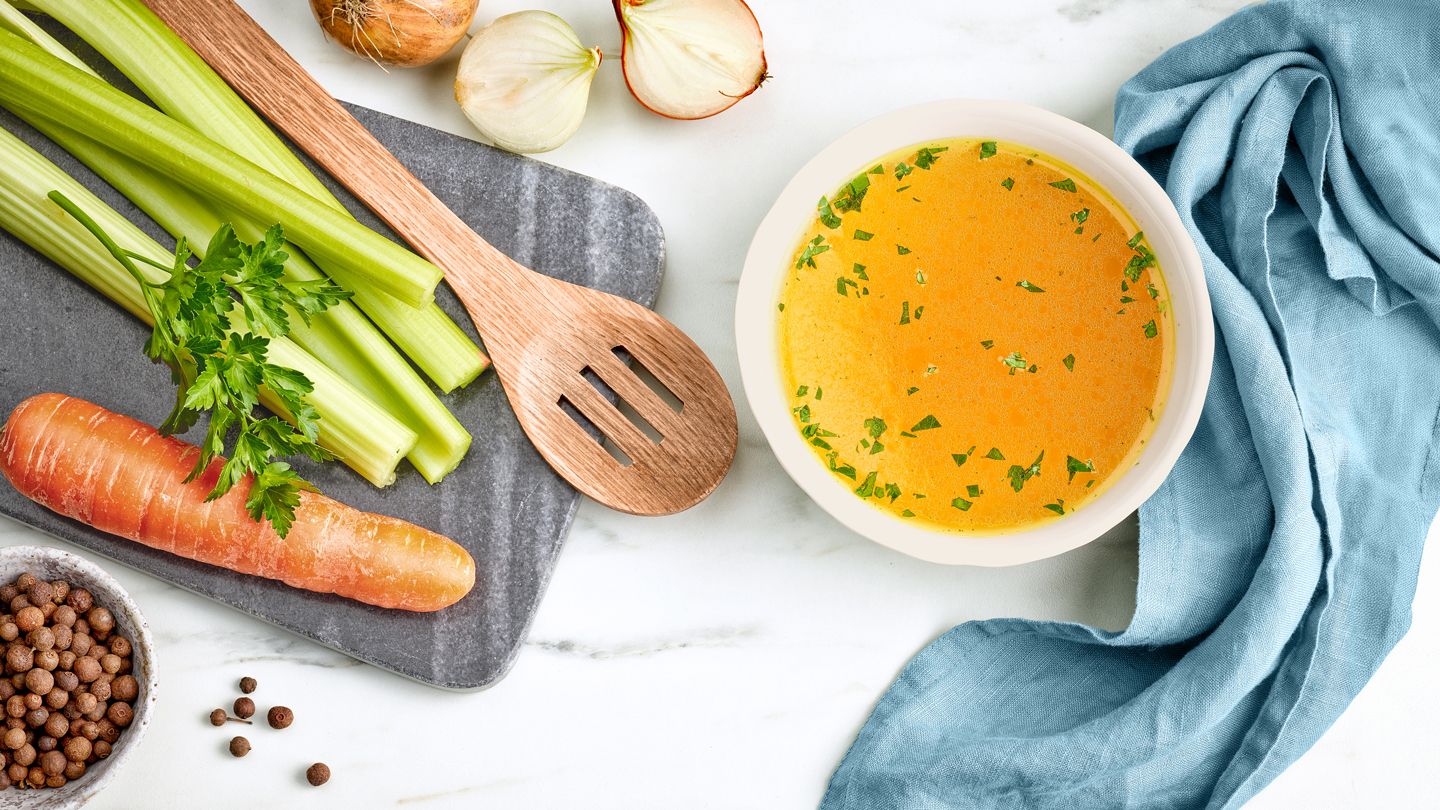
Turns out there’s something to drinking a bowl of hot chicken soup when you have a cold: It’s one of the best foods to get rid of mucus. Broths and broth-based soups are rich in nutrients and can help loosen up phlegm and reduce congestion, according to Cleveland Clinic. It’s also a food that may help when you have a cough.
Soups are also hydrating, which can help your body better clear phlegm from your system, according to Mayo Clinic.
2. Clear Liquids
Water, tea, and other hydrating drinks can help break up mucus congestion in your throat and lungs and prevent dehydration.
In addition to getting rid of mucus in the body, warm fluids can also soothe an irritated throat, according to Cleveland Clinic.
3. Omega-3 Fatty Acids
Omega-3 fatty acids are unsaturated fats that can help regulate the amount of inflammation in your body (and the extra mucus that can come with it), according to the National Institutes of Health Office of Dietary Supplements.
Though there isn’t much research into how omega-3 fatty acids affect mucus production, a small study on people with chronic obstructive pulmonary disease (COPD) reported that participants with higher plasma omega-3 levels scored better in lung-specific quality of life metrics, which include phlegm production. This observational study looked at only a small, specific population, however, and more high-quality trials are needed.
Foods that contain omega-3 include:
- Fatty fish, such as salmon, herring, and sardines
- Walnuts
- Flaxseed and flaxseed oil
- Soybeans and soybean oil
- Canola oil
- Chia seeds
4. Alliums
Alliums are a class of vegetables that include shallots, leeks, garlic, and onions. One type, Allium fistulosum, has anti-inflammatory properties, according to a narrative review. Another type, Allium sativum L., has shown potential as a way to treat asthma-related inflammation, according to a separate review. These findings mean that alliums could theoretically help quell the inflammation that contributes to excessive mucus, though more research is needed.
5. Fiber-Rich Foods
Eating fiber-rich foods like fruits, veggies, legumes, and whole grains may help keep your phlegm levels healthy. Dietary fibers could decrease phlegm, enhance immune function, and reduce the risk of COPD, according to a review in BMC Public Health.
More research is needed, however, to support a link between fiber intake and reducing a phlegmy cough and respiratory symptoms, in particular.
Are There Any Vitamins or Supplements That Help Reduce Mucus?
There aren’t any vitamins known to reduce mucus, but some supplements may help. That said, research into most of these supplements is preliminary at best.
Talk to your doctor before trying any supplement. Some herbal supplements may interact with your other medications or may negatively affect your health in other ways.
The following supplements are safe to try but may not deliver much in terms of relief.
N-Acetylcysteine (NAC)
If you deal with sinusitis — a condition that increases mucus production — this modified dietary amino acid may be able to help. NAC works as an antioxidant in the body and helps thin mucus, according to a Nutrition and Metabolic Insights review.
Sinupret
Sold over the counter, Sinupret is an herbal supplement made from black elder, cowslip, verbena, sorrel, and gentian. In use since 1934, Sinupret has been well-documented as a treatment for acute and chronic bronchitis and sinusitis, according to the review in Nutrition and Metabolic Insights. Specifically, it can help thin and break up mucus.
Elecampane and Mullein
Elecampane (Inula helenium) and mullein (Verbascum thapsus) are two herbs with long histories in traditional medicine as expectorants, according to the Journal of Nutritional Science and Healthy Diet and Cleveland Clinic. An expectorant thins mucus, which helps loosen it so it’s easier to expel (cough up). Both also have anti-inflammatory properties that can help if your airway is also inflamed. However, even though elecampane and mullein have been in use for hundreds of years, there is minimal scientific evidence to support specific claims around them and mucus production.
Foods That May Cause Mucus
There are also some foods that can cause phlegm. Here are the foods to avoid when dealing with excess mucus:
1. Histamine-Rich Foods
Those with a histamine sensitivity or intolerance should watch out for the specific histamine-rich foods — or foods that prompt the body to produce histamine — that trigger mucus production, according to Cleveland Clinic. Histamine intolerance is rare, and, according to research in Nutrients, it is thought to be the result of enzyme deficiencies in your gut.
High-histamine foods include:
- Canned fish
- Spinach
- Some dairy products, including aged or fermented cheese, buttermilk, flavored milk, and sour cream
- Processed or aged meats, such as deli meat, hot dogs, and jerky
- Fermented products like alcohol, yogurt, and sauerkraut
2. Chocolate
An acid reflux condition like laryngopharyngeal reflux or gastroesophageal reflux (GERD) can cause phlegm in the back of the throat, according to Harvard Health Publishing. Changes to the diet are one of the best ways to manage these conditions, which means you may have to say goodbye to your favorite chocolate treat.
Chocolate can weaken your upper and lower esophageal sphincters. These sphincters act as gatekeepers, keeping food and fluids headed in the right direction (downward) and preventing stomach acid from moving up into your esophagus, pharynx, and larynx.
If the sphincters are weakened and stomach acid ends up where it doesn’t belong, you can develop hoarseness, sore throat, heartburn, a chronic cough, and phlegm in the back of your throat.
3. Coffee
Sorry, java lovers, but coffee can also exacerbate your phlegm issues.
Caffeine is another ingredient that can weaken your esophageal sphincters and allow stomach acid to back up into your esophagus and throat, per Harvard Health Publishing. This irritation can lead to phlegm production.
4. Alcohol
Much like the other mucus-causing foods and drinks on this list, alcohol can weaken the esophageal sphincters, causing irritation and phlegm.
Alcohol is also a diuretic, which means it can leave you dehydrated if you overdo it, according to Cleveland Clinic. On the other hand, staying properly hydrated keeps phlegm looser and easier to get rid of, according to the American Lung Association.
5. Carbonated Beverages
Your soda or seltzer might be doing more harm than good if you have a persistent phlegm problem. Carbonated drinks can be another food that triggers heartburn and phlegm production, according to Johns Hopkins Medicine.
6. Highly Processed Foods
Another mucus-producing food? Highly processed snacks.
Johns Hopkins Medicine lists foods that are high in fat, salt, or spice as some of the worst triggers for GERD. Foods like these slow down the digestive process, so the food stays in your stomach for longer. Examples include fried food, pizza, fast food, processed snacks like potato chips, and fatty meats like bacon. While it may be hard to completely eliminate these convenient foods, try to eat them in moderation, and don’t eat them too close to when you lie down (like before bed).
7. Other Reflux-Inducing Foods
According to Johns Hopkins Medicine, other foods that can trigger reflux and therefore may cause phlegmy side effects include:
- Fried food
- Chili powder or pepper
- Tomatoes
- Citrus fruits
- Peppermint
- Fatty meats like bacon
- Cheese
Read the full article here