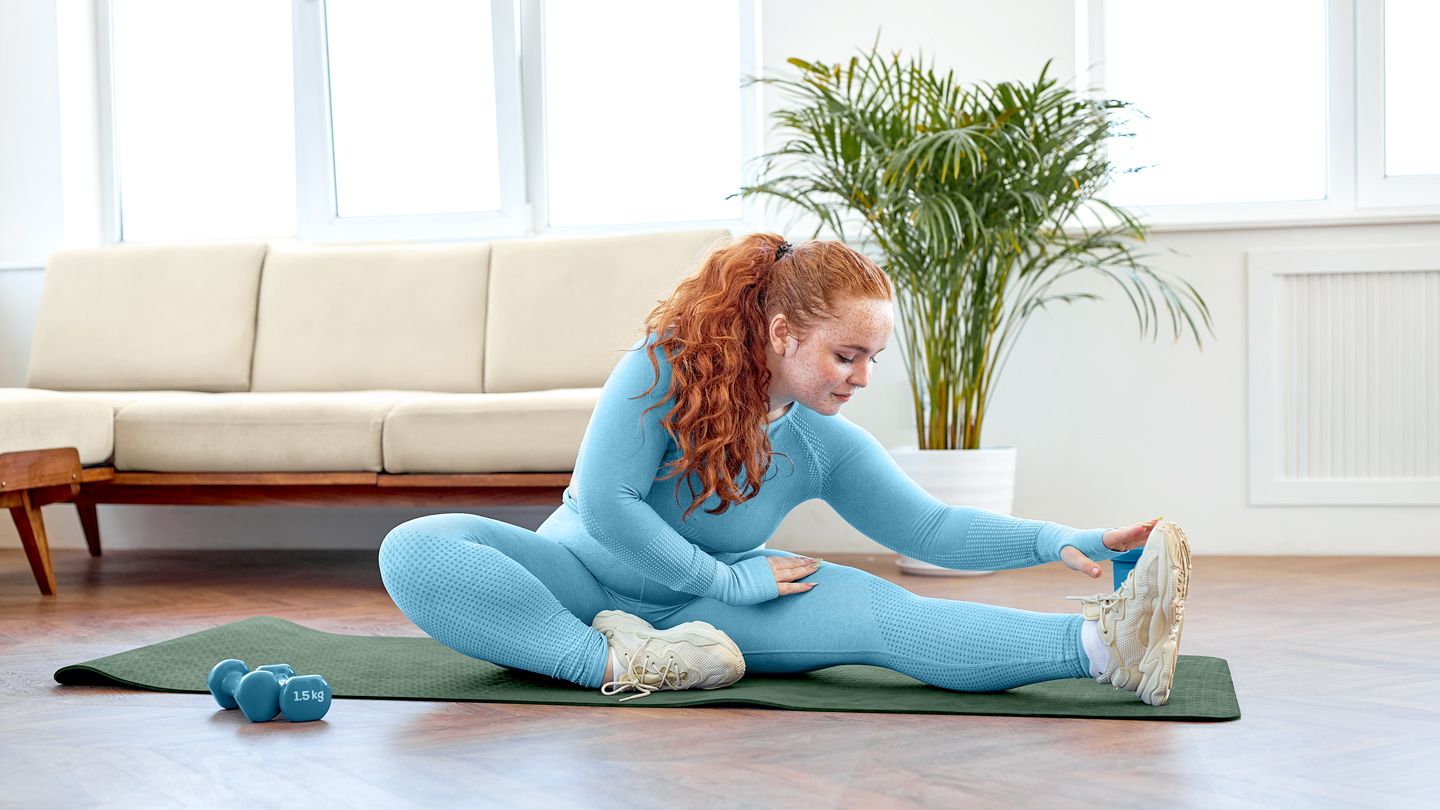
Several factors come into play when creating a regular workout routine, says Rocky Snyder, CSCS, a personal trainer and conditioning coach in Santa Cruz, California, and the author of strength-training guide Return to Center. Here are several questions that can help guide you toward the exercise that’s a good fit for you.
What Do You Enjoy?
Enjoyment is a top factor for maintaining motivation. “If you look forward to a certain kind of workout, that will help you stick to it in the long term,” Snyder says. “Forcing yourself to work out often leads to abandoning that form of exercise and getting off track with your physical activity.”
Keep in mind that it may take some trial and error to find what’s enjoyable for you, says Snyder. For example, you might not know if you like yoga or strength training if you’ve never tried it before. Doing several sessions of each activity can be a good way to discover the routine you like best, he says.
Do You Want to Work Out Solo or With Others?
Part of experimenting with different types of exercise is finding out whether you feel better in a group setting or doing workouts on your own. For many people, taking a group fitness class or doing personal training in a small group can help them feel more supported and connected, says Snyder. Others may prefer to hike trails or do a Pilates mat routine as a solitary activity.
What Is Your Schedule Like?
Even if you’re excited to start seeing benefits from an exercise routine, it’s crucial to progress gradually, says Snyder. Not only can that help prevent injury but it can also help you stay motivated, versus doing too much and burning out quickly as a result.
Developing a realistic schedule is crucial. “When you’re just getting started, the most important goal is to establish consistency,” he says. “For that, creating a schedule that you plan in advance is useful, and it also gives you a sense of predictability.”
Are You Already Motivated or Do You Need Help Getting Started?
One of the biggest sticking points when it comes to establishing a regular workout routine is the overabundance of information about fitness, says Snyder. Even a cursory internet search on “how to start working out” can quickly get overwhelming, with advice from trainers, influencers, gym goers, and others. But if you have the means, finding a local trainer and making an in-person appointment can help you avoid overwhelm and learn how to work out safely.
“If you’re unsure how to get started, it’s helpful to talk with a personal trainer who has experience with clients who have your specific condition,” Snyder says. That might mean someone who understands mental health challenges but who also has familiarity with any coexisting conditions or issues like type 2 diabetes, excess weight, or cardiovascular disease.
Not sure where to find that type of expertise? Dimitriu recommends asking your healthcare team; they may be able to refer you to a physical therapist who will help you develop a sustainable plan to become more active.
Read the full article here