Types of Exercise and Movement for Narcolepsy
There is no single best workout for everyone with narcolepsy.
“A healthy mix of aerobic activity and weight work is probably best for most people, but obviously any plan is dependent on the individual, including their specific goals, and their limitations,” says Douglas Kirsch, MD, a neurologist and the medical director of sleep medicine at Atrium Health in Charlotte, North Carolina.
Moderate-Intensity Aerobic Exercise
Moderate-intensity aerobic exercise is movement that raises your heart rate and breathing for a sustained period. Walking, stationary cycling, low-impact cardio, dancing, or swimming with supervision may all fit, depending on symptoms and safety.
“This is the best-studied type of exercise in people with narcolepsy,” says Dr. Soltis.
In a prospective study of sedentary adults with narcolepsy type 1, participants completed a six-week supervised program that included walking and cycling, followed by 18 weeks of self-directed exercise.
Researchers reported improvements in narcolepsy symptom severity, insomnia, triglycerides, insulin resistance, cardiorespiratory fitness, and several attention measures. At the six-month mark, participants continued to see benefits in reduced anxiety and depression, and better insulin resistance, triglycerides, and cardiovascular risk markers.
For many beginners, low-impact aerobic exercise is a practical first step because it can be scaled up or down. A short walk, a stationary bike session, or a light cardio routine at home may be easier to start than a long or intense workout.
Strength Training
Strength training includes exercises that challenge your muscles, such as body-weight moves, resistance bands, machines, free weights, or functional movements like sit-to-stands and step-ups.
Soltis recommends resistance training for the metabolic and mood benefits.
Sudden muscle weakness could be dangerous during heavy lifts, overhead movements, unstable balance exercises, or workouts done alone. Weight machines, resistance bands, lighter loads, seated exercises, or supervised sessions may be safer options, especially if symptoms are not well controlled.
Mind-Body Movement
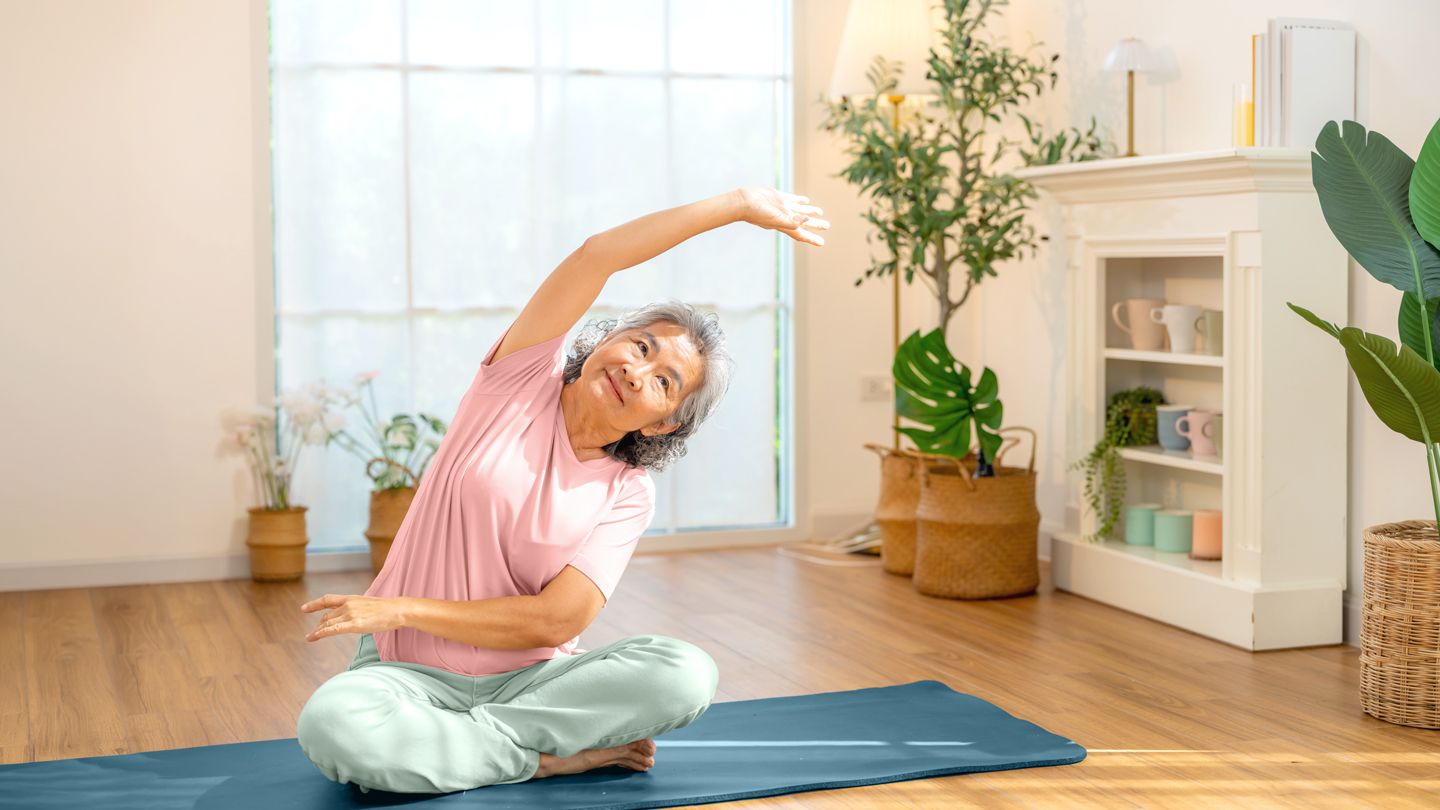
Mind-body practices, such as gentle yoga, stretching, breathing exercises, mindfulness-based movement, or tai chi, may be useful add-ons for some people with narcolepsy.
These types of mind-body practices may help with emotional regulation and sleep quality, says Soltis. There is some evidence that meditation — as a complement to traditional therapies — may help manage symptoms.
Lighter, Flexible, or At-Home Exercise
Read the full article here