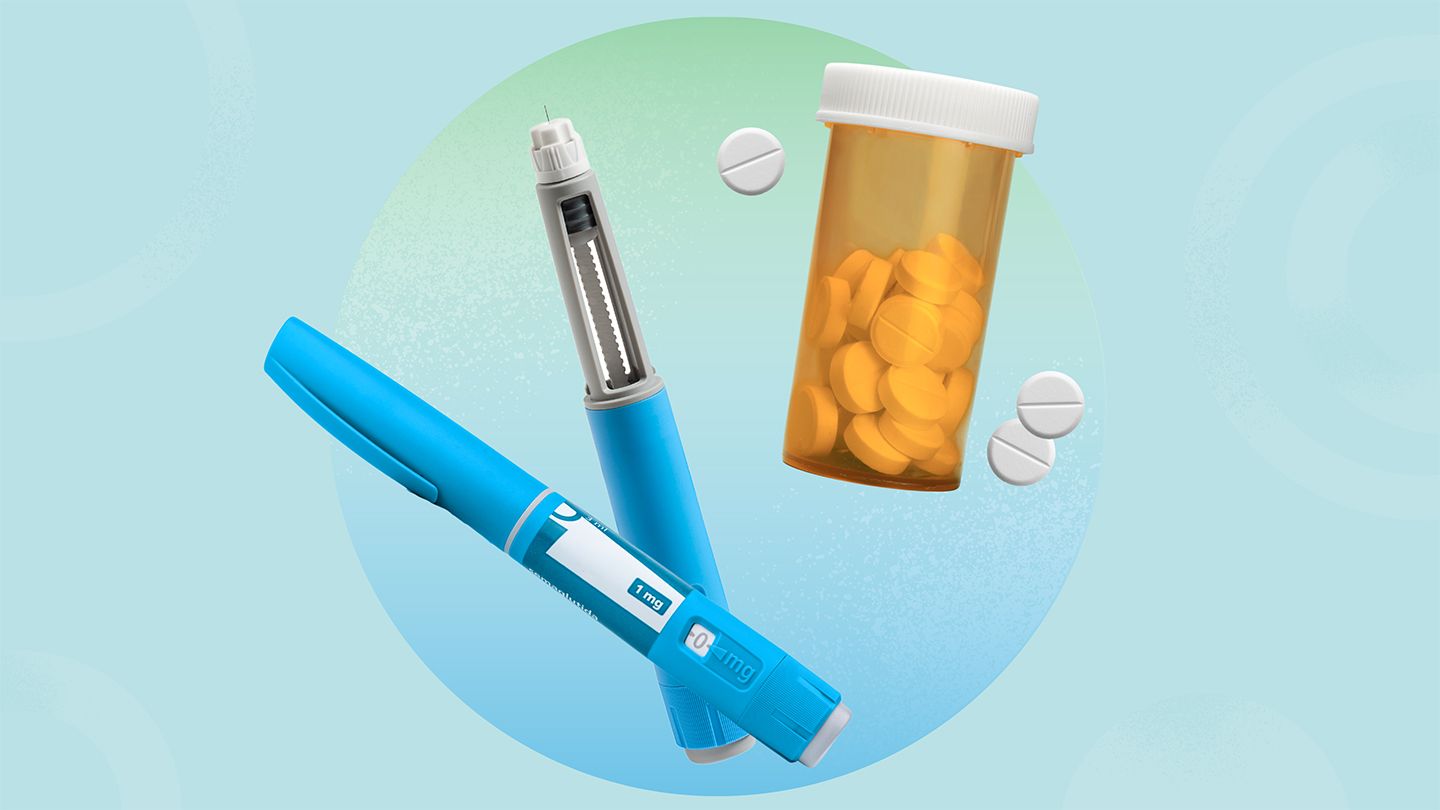
Managing the Transition
To help ensure a successful adjustment from an injectable GLP-1 to oral semaglutide, be prepared to navigate changes in side effects, fluctuations in medication effectiveness, and the practical differences of taking a daily pill versus administering a weekly injection.
First, consider how things may change for you in terms of the habit of taking the medication.
“The main thing I counsel patients about right now is that although it seems as if a daily oral pill is easier, sometimes it’s easier to use an injection once a week,” says Doshi.
Switching to an oral pill comes with both benefits and drawbacks. For example, it can be more convenient (and there’s no needle factor), but you do have to remember to take it every day. And if you take oral semaglutide, you must follow strict and specific administration instructions, which include taking it on an empty stomach in the morning with up to 4 ounces (oz) of water and fasting for at least 30 minutes afterward. (Orforglipron doesn’t have these same constraints, however; you can take it with or without food and water.)
After making the transition, Dbouk recommends monitoring yourself for two things: new or worsening side effects and what’s happening to your weight.
It is possible that oral semaglutide will cause worse side effects for some people than the injection. In a real-world study of adults with type 2 diabetes taking either injectable or oral semaglutide, more people stopped taking the oral medication due to side effects compared with those on injections. The side effects of both forms of semaglutide are similar: “It’s mostly gastrointestinal upset, nausea, and potential diarrhea and constipation,” says Doshi.
Nolen-Doerr says you also may notice the scale move up again when you make the switch to an oral GLP-1. “It really depends on what injectable option we are transitioning from, but generally, or in most cases, I’d expect increased hunger and some weight [regain],” he says. This may be especially likely if you are transitioning off tirzepatide, the most powerful obesity treatment on the market, or have stepped down to a lower dose in order to reduce the risk of side effects.
To manage this impact, Nolen-Doerr suggests focusing on eating minimally processed foods that are rich in protein, fiber, and healthy fats, all of which improve satiety. Additionally, if you do regain some weight, Nolen-Doerr recommends adjusting your perspective, practicing patience, and continuing to move forward toward your goal. “This is a momentary trend, and we have time and can work to start chipping away at the weight again, just like before,” he says.
Read the full article here