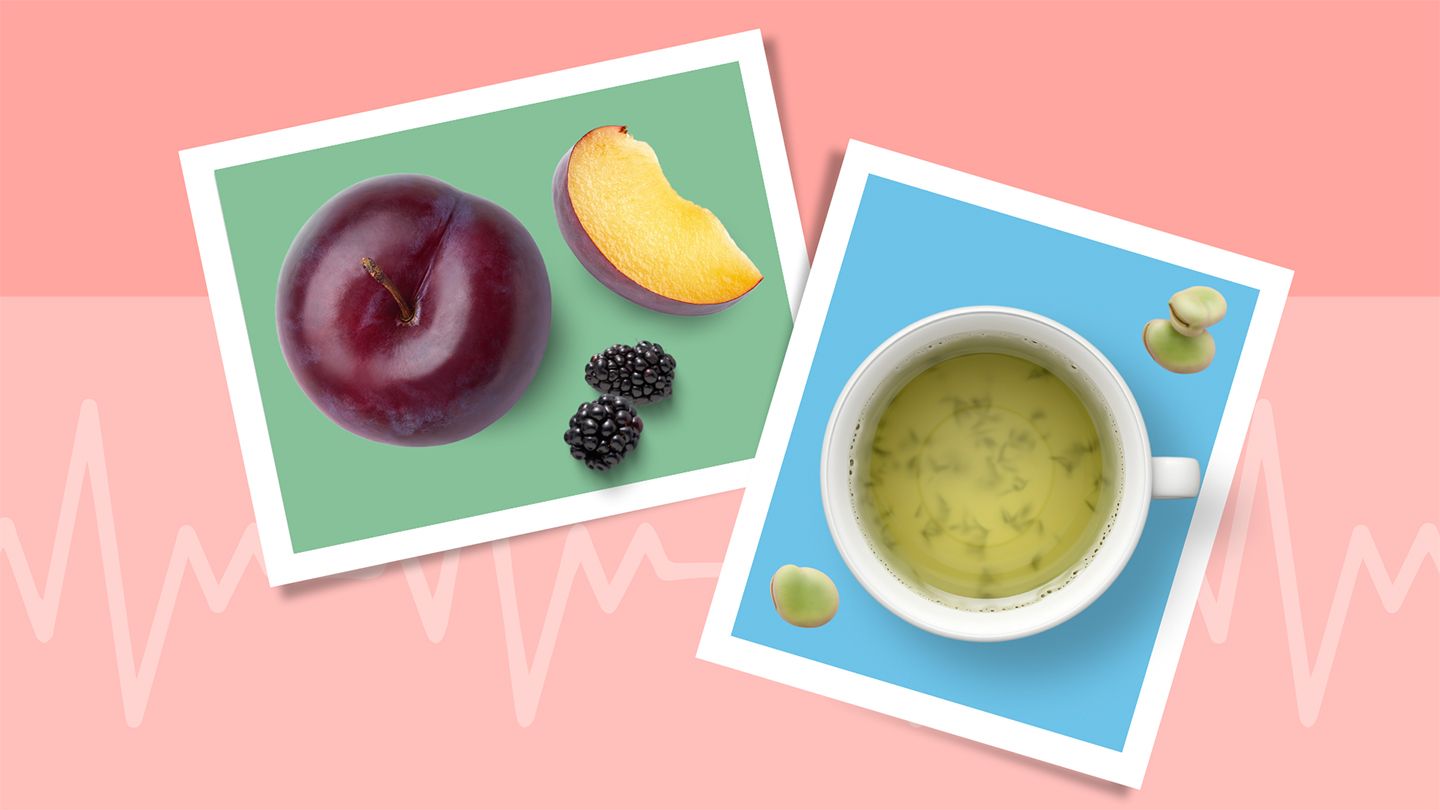
The research, published in the journal Food and Function, found that only about 20 percent of people consume the recommended 500 milligrams (mg) per day of flavanols, which are found in tea, apples, berries, and other plants.
“The main result of our research is that it is important to choose fruits and vegetables carefully if one wants to consume higher amounts of flavanols, as foods differ considerably in their flavanol content,” says study author Gunter Kuhnle, PhD, a food and nutritional sciences professor at the University of Reading in England.
Being choosy is important, he says, because the study results show that eating the recommended amount of daily fruits and vegetables doesn’t guarantee an adequate intake of flavanols, he says.
What Are Flavanols?
Flavanols are a type of naturally occurring plant compound that are part of a larger group of chemicals known as flavonoids, explains Grace A. Derocha, RD, a spokesperson for the Academy of Nutrition and Dietetics, who is based in Detroit.
“They act as antioxidants and help protect our cells from oxidative stress and inflammation, both of which are linked to chronic diseases, including heart disease,” says Derocha, who was not involved with the new study.
Flavanol-rich foods include:
Previous research has suggested that 500 mg per day of flavanols may reduce the risk of death by heart disease by about 25 percent.
Fewer Than 20 Percent of Adults Consume Enough Flavanols to Achieve Heart-Health Benefits
The new study tracked the diets of more than 30,000 participants in the United States and the United Kingdom. Flavanol intake was measured via nutritional biomarkers in the urine, which Dr. Kuhnle says is an “objective measure of flavanol intake.”
Researchers found that less than 20 percent of the participants consumed 500 mg per day of flavanols. Men, older adults, and people of normal weight (compared with individuals with obesity) were more likely to meet the flavanol recommendations.
While flavanols support healthy blood vessels, Kuhnle says beyond that, the underlying mechanism for why flavanols impact cardiovascular health is unknown.
A separate study coauthored by Kuhnle and commissioned by the Academy of Nutrition and Dietetics recommended that people consume 400 to 600 mg per day of flavonols for cardiometabolic health.
The Study Has Some Limitations
Some of the researchers are employed by the food company Mars, which the study says is “engaged in flavanol research and flavanol-related commercial activities.” Others received support and grants from Haleon, Abbott Nutrition, Pure Encapsulations, and the American Pistachio Growers.
The 500 mg per day threshold was chosen to “overestimate” the number of participants with a high intake of flavanols, representing a “best-case scenario,” the study says. The researchers noted that it’s likely that a larger proportion of the population than what the study found consume less than this amount.
Also, Kuhnle says the study subjects had participated in cohort studies, which often means they have better diets than the general public. This could impact the results.
How to Add More Flavanols to Your Diet
Fruits and vegetables contain necessary fiber and other nutrients, and flavanols aren’t the only important bioactive compound, Kuhnle says.
“Flavanols are not a magic bullet,” Derocha says. “They are one piece of an overall heart-healthy eating pattern.”
Consuming more flavanols “doesn’t require a major diet overhaul,” however, she adds. Here are some strategies for adding more to your diet:
- Swap sugary beverages for a cup of green or black tea.
- Top yogurt or oatmeal with berries, or blend them into smoothies.
- Snack on apples or pears.
- Incorporate grapes or cherries into meals and snacks.
- Nibble on small pieces of dark chocolate (about 70 percent cacao or higher).
Heart health depends on an overall healthy diet, rather than a single ingredient, Derocha says.
“Flavanol-rich foods fit beautifully into eating patterns like the Mediterranean diet, which consistently shows benefits for cardiovascular health. The goal is not perfection,” she says. “It’s finding enjoyable ways to regularly include more plant foods in your day.”
Read the full article here