Treatment and Medication Options for Thyroid Cancer
About 99 percent of people with well-differentiated thyroid cancer survive for at least five years after diagnosis. Part of the reason for this high survival rate is that thyroid cancer is usually caught early, and differentiated thyroid cancers are naturally quite slow growing.
There are several different treatment options for thyroid cancer. The most effective treatment will depend on the stage and type of thyroid cancer you have.
Thyroid Cancer Surgery
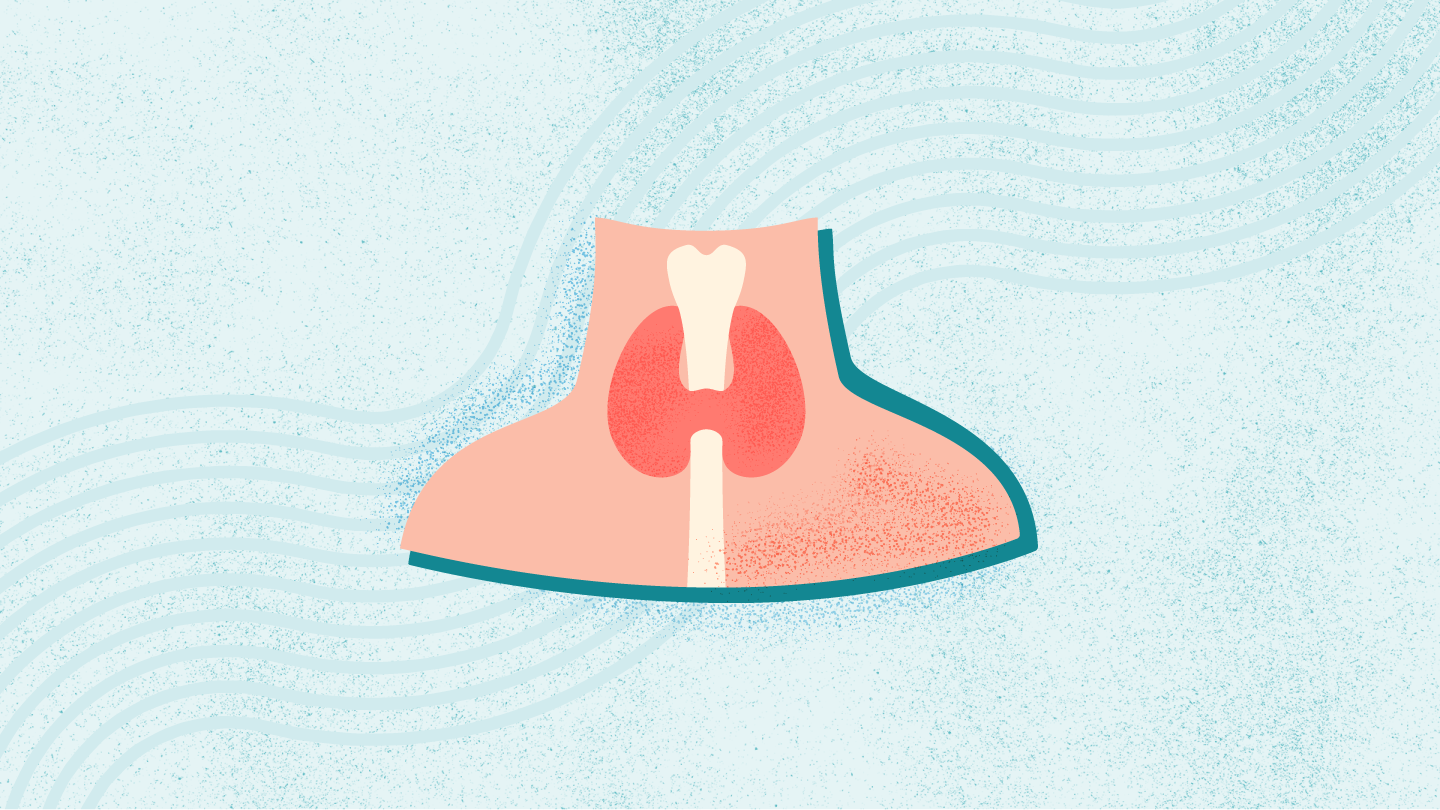
Surgery is often the primary treatment for differentiated thyroid cancer. If the cancer is only in one lobe of your thyroid gland, your surgeon may opt for a lobectomy. In this procedure, the surgeon makes an incision in your neck to expose the thyroid, then cuts out the affected lobe — often along with the strip of tissue that connects the two lobes.
Thyroid cancer surgery may cause the following side effects:
- Temporary or permanent voice hoarseness
- Low blood calcium levels (from damage to the nearby parathyroid glands)
- Excessive bleeding, blood clots, or wound infections
Also, after undergoing a thyroidectomy, you will have to take daily thyroid hormone pills.
Radiation Therapy
There are two types of radiation. First is external beam radiation and the second is radio-iodine ablation. External beam radiation may be used if needed after surgery to destroy any cancer cells still left in the body. In this procedure, which is often used if the cancer has spread beyond the thyroid gland, doctors treat the area with high-energy X-rays or another type of radiation, by directing the beam to the thyroid gland.
Radiation therapy may cause the following side effects:
- Nausea
- Fatigue
- Temporary skin changes (similar to a sunburn)
- Throat issues such as trouble swallowing, dry mouth, and hoarseness
Alternatively, your doctor may use a special radiation technique called radioactive iodine (RAI) therapy. This technique makes use of the fact that the thyroid gland naturally absorbs nearly all of the iodine in your body, including radioactive forms of iodine.
When you swallow RAI capsules or fluids, your thyroid tissues — including cancer cells that have spread to other parts of the body — absorb the RAI, which destroys the cancer cells.
Possible side effects of RAI therapy include temporary:
- Tenderness and swelling of the neck or salivary glands
- Nausea and vomiting
- Dry mouth and changes in taste
Medication-Based Therapies
A few different treatments for thyroid cancer involve taking medications. In thyroid hormone therapy, drugs are used to stop the body from producing thyroid-stimulating hormones. This helps slow the growth of thyroid cancer and prevent the cancer from returning after treatment.
A newer kind of chemotherapy — targeted therapy — uses drugs that interfere with specific molecules that cancer cells need to grow, according to ACS.
Though less damaging to the body than regular chemotherapy, targeted therapy drugs may cause side effects, which range from fatigue and high blood pressure to heart and liver problems.
Read the full article here