“The most helpful first step is to learn your own triggers,” says Gaur. “Not every trigger affects every person, so paying attention to your whole health, including your body, daily habits, sleep, hydration, and emotional well-being, can help you and your care team find patterns.”
Besides contact with water, common triggers may include rapid changes in body temperature, sweating, tight clothing, friction, and very dry or humid air.
“Because triggers vary from person to person, keeping a symptom diary can sometimes help identify patterns,” says Dr. Gerds.
Once you’ve learned your itch triggers, you can try to avoid them. Gerds offers some other simple lifestyle measures that may help, including:
- Take cooler rather than hot showers or baths.
- Bathe less often.
- Pat skin dry instead of rubbing vigorously.
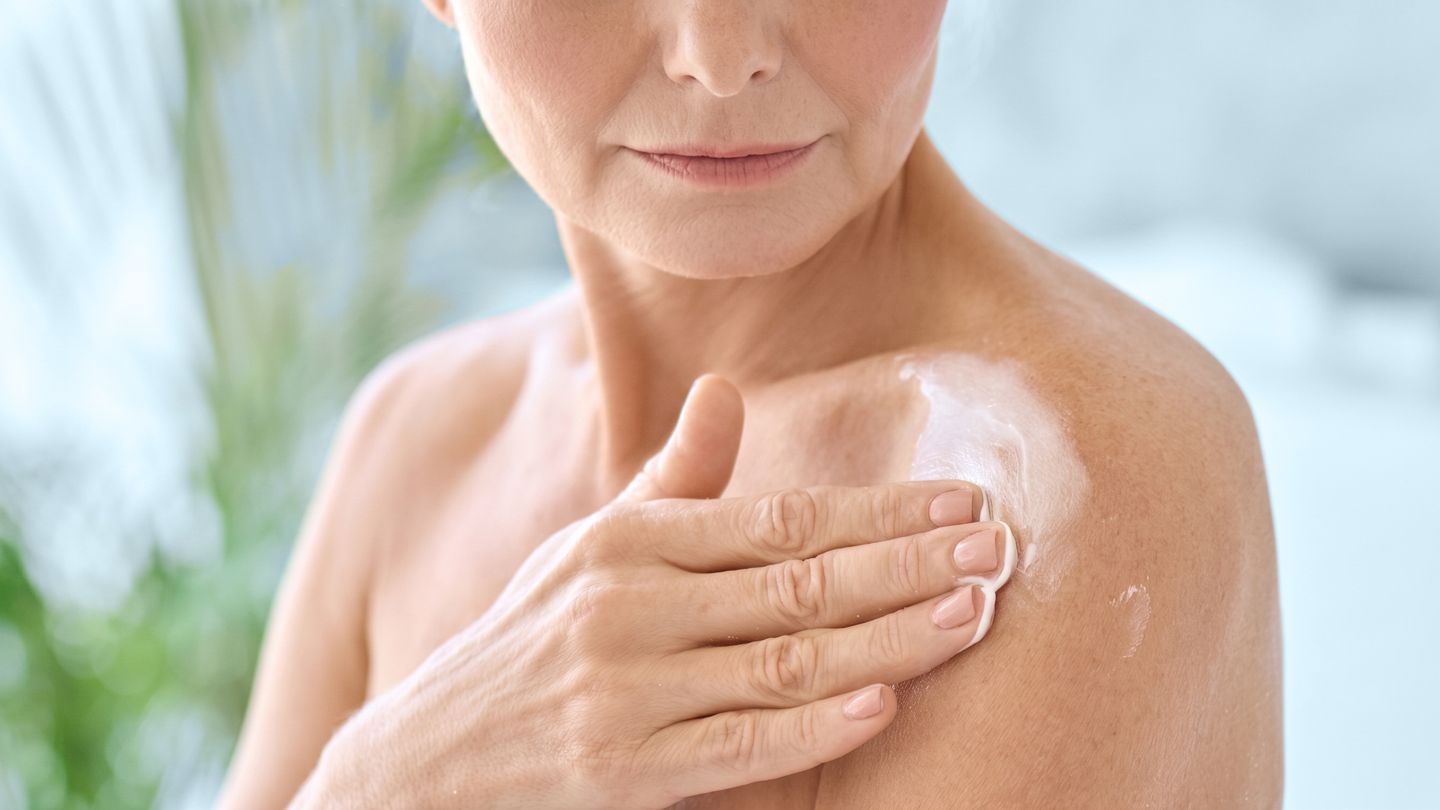
- Apply fragrance-free moisturizers immediately after bathing to prevent dry skin.
- Use gentle, unscented soaps and detergents.
- Wear loose-fitting, breathable clothing made from natural fibers when possible.
- Stay well hydrated.
If you notice more itching after you eat certain foods, it may be worth experimenting with your diet. Foods that are high in histamine (an immune system chemical that causes allergy symptoms) could be a trigger for some people.
“These may include processed meats, fermented cheese, wine, certain chocolates, and leftovers,” says Gaur. “Some people also report symptoms after foods such as spinach, tomatoes, avocados, citrus fruits, and eggplant.”
Talk to your doctor about whether you should try cutting out specific foods.
Read the full article here