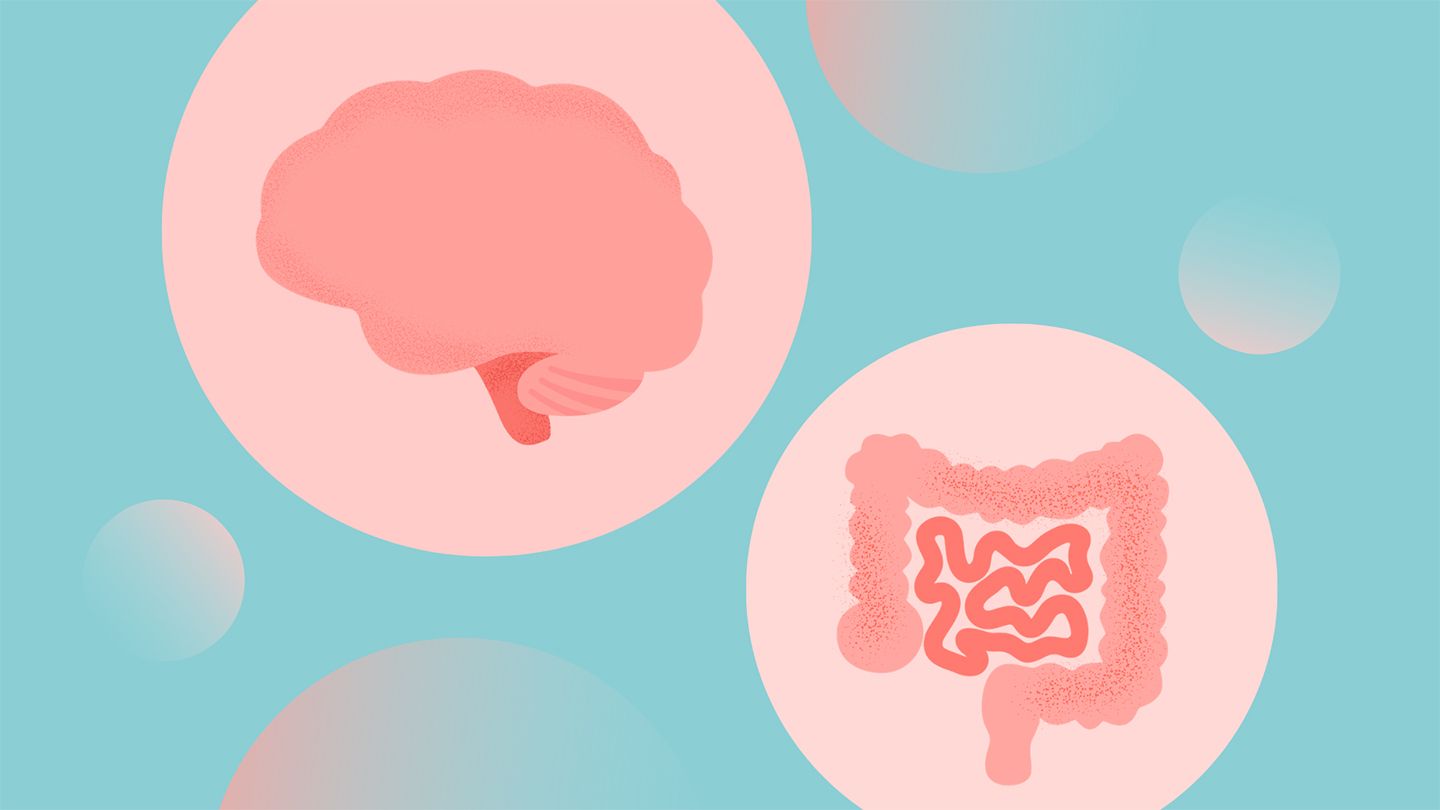
The gut-brain axis is the two-way communication system connecting the brain and digestive tract through nerves, hormones, immune signals and gut microbes, according to Sameer Berry, MD, a gastroenterologist and a clinical assistant professor of medicine at the NYU Grossman School of Medicine in New York City and the chief medical officer of Oshi Health, which provides multidisciplinary GI healthcare.
“It’s a complex, two-lane highway between our GI system and our brain. For a long time, we thought the gut was just a tube for digesting food, absorbing nutrients and storing and eliminating poop … We’ve learned over the last 20 years that it’s far more complicated than that,” he says.
It involves several components of the body.
- Enteric Nervous System (ENS) Housed within the GI tract and home to more than 500 million nerve cells (neurons) that help control digestive functioning, this network of nerves is nicknamed the “second brain.” “There are more nerve cells here than in the spinal cord,” Dr. Berry says.
- Vagus Nerve Consider the vagus nerve one of the messengers between the ENS and your central nervous system, carrying signals between the two. It helps keep bodily functions running smoothly, including digestion, heart rate, blood pressure, and mood, among others.
- Gut Hormones Berry says the gut is the body’s largest endocrine organ and it’s known to produce more than 30 hormones, including glucagon-like peptide-1 (GLP-1), ghrelin, and gastrin, that help control digestion, hunger, and metabolism.
- Gut Microbiome Berry likens this community of microorganisms to a highway patrol, because its makeup helps regulate communication between the gut and brain.
Read the full article here